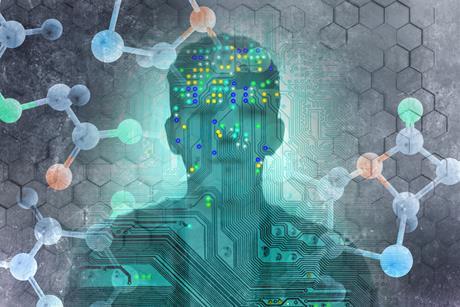
Four ways teachers use AI to plan lessons
Learn how experienced teachers use generative AI tools to refine ideas, challenge assumptions and strengthen their lessons

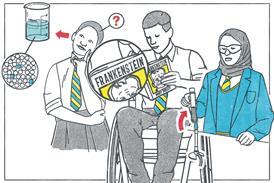
Make peer feedback effective in your science classroom
How to turn students into thinking partners who give useful, actionable insight

What GenAI can, and can’t, do for chemistry learning
Use AI to support your teaching but remain aware of limitations

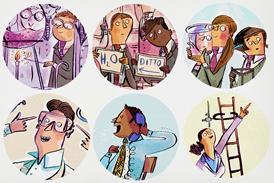
Enhance learning with teacher-led explanations
Plan high-quality explanations ahead of time to develop your learners’ understanding of chemistry

Master organic mechanisms with an arrows-first approach
Use an arrows-first approach to mechanistic organic chemistry to deepen your post-16 learners’ understanding and improve their assessment outcomes