Science

Why does cat wee stink?
Concentrated chemical compounds and clever cat litter
What do antifreeze and ice cream have in common?
Get the scoop on propylene glycol and why portion size matters

Why do aeroplanes leave lines in the sky?
Debunk conspiracies and discover the chemistry behind contrails, suction toilets and infamous airline food

What was the first paint colour?
Uncover the colourful (and deadly) chemistry of paint, from the Stone Age to today

The chemistry of football
Discover the ways that scientists help the players on the pitch up their game
Cutting-edge contexts for teaching 14–16 year-old learners, with downloadable summary slides
Nanocrystals could help hydrogen fuel go mainstream
Connect ideas about nanoparticles and catalysis to emerging hydrogen technologies
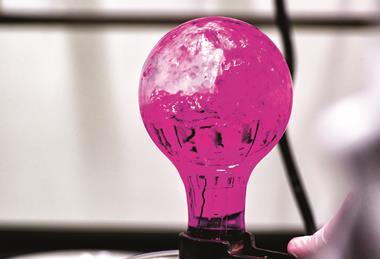
Scientists float new findings explaining water’s unusual properties
Deepen your learners understanding of why liquid water behaves weirdly

Living biosensor lights up to detect wine spoilage in real time
A genetically modified E coli glows in the presence of acetic acid, giving winemakers a rapid way to spot spoilage before taste is affected
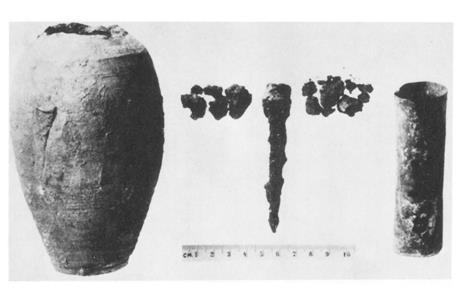
Was a 2000 year-old jar the world’s first battery?
Amp up your lessons on metals and electrolytes with this downloadable story and slide
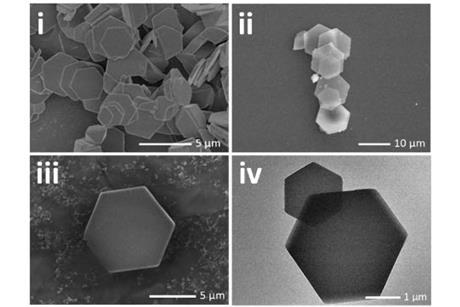
Researchers crack two century challenge to form calcium bicarbonate crystals
Give students a real example of how solubility, ionic bonding and reaction conditions affect salt formation
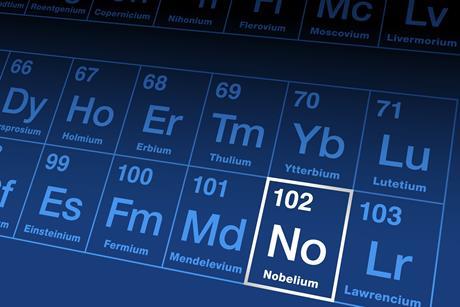
Discover the heaviest element detected in a molecule
Scientists probe the outer limits of the periodic table and uncover properties of mysterious element nobelium
The latest in the chemical sciences

Chemistry World
Chemistry, covered. Science news, research, reviews, features and opinions. Read Chemistry World to keep up with stories from across the chemical sciences.
Investigate commercial production of aspirin
Link a practical your post-16s are familiar with to real-world chemistry
Commercial applications of chromatography
Show post-16 students how the analytical techniques they learn in the classroom have real-world applications with this poster and fact sheet
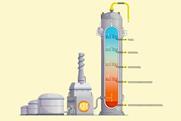
Everything you need to teach fractional distillation
With this poster and classroom activity, your 14–16 students will soon be experts
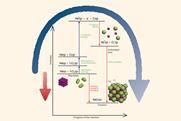
Mastering the Born–Haber cycle
Five steps to confidence for your post-16 learners
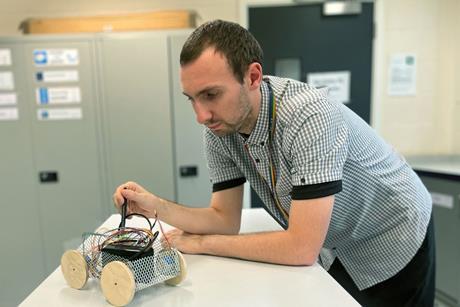
‘My passion is to inspire young people in STEM’
Meet Wesleigh Dawsmith, a DT technician, STEM ambassador and passionate advocate for science outreach
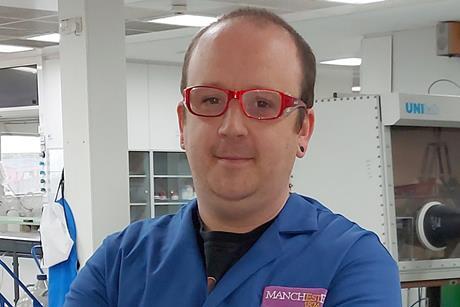
‘The best parts are working with enthusiastic students and that no two days are ever the same’
Meet Mike Hughes, a technical specialist who is passionate about chemistry teaching laboratories and technical education pathways




Senior lecturer, organic and green chemistry
Laboratory technician, steelmaking
Commercial director, chemical manufacturing
Director of chemistry, biotechnology
Technical director, catalytic design
Water technologist – research fellow
- Previous
- Next

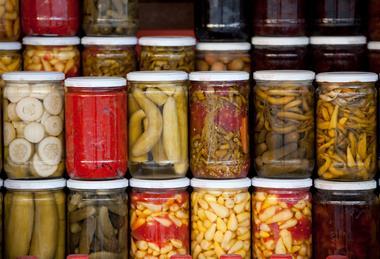
Why fermented foods are good for your gut – and your teaching
From kimchi to kefir, tuck into the complex chemistry of fermentation and its health potential

Sniffing out the science of smells
What makes a bad smell smell bad? Sniff out the chemical culprits behind obnoxious odours

Crime-busting chemical analysis
From dog detectives to AI, discover the cutting-edge advances in forensic science

Life cycle assessment of fast-food containers
Examining the environmental impact of single-use takeaway packaging