
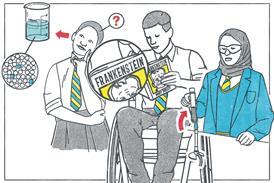

Investigations get real
What real chemists do can be the basis of motivating investigations and learning in school chemistry
Analytical chemistry is an integral part of the 2008 chemistry specifications at GCSE and A-level, and, at a basic level of paper chromatography, has been part of Key Stage 3 science for years.1 The new specifications reflect the increasing importance of analytical techniques to chemists and fit in well with 'how science works'.
At GCSE chromatography and retention factors (Rf) have been written into the specifications with a focus on additives in foods, and at A2 some specifications now expect students to interpret retention times and mass spectral data from HPLC-MS to resolve complex mixtures and elucidate the component structures.
This presents chemistry teachers with the difficult task of finding suitable course material that can be taught to students from Key Stages 3-5 which explores the requisite parts of analytical science but which also encourages an investigative approach 2 that will satisfy the requirements of 'how science works'. The investigation described here exploits chlorophyll chemistry and is my way of addressing these issues. Entitled Which is fresher, supermarket-packed spinach or frozen spinach?, the investigation can be used at Key Stages 3 and 4, and with modification at Key Stage 5.
Make your lessons pop
Choose an account option to continue exploring our full range of articles and teaching resources