

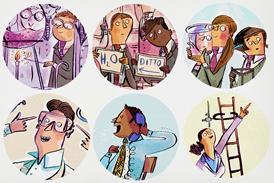
Learning to write in chemistry

Michael Seery highlights the importance of carefully-designed writing activities in enabling students to build their scientific writing skills
Students pursuing a career in science need opportunities to develop their writing skills so they can communicate scientific results, procedures and arguments to a variety of audiences.
In chemistry education, a lot of writing effort is directed at laboratory reports, where students mimic a research article by providing an introduction, procedure, data obtained and an analysis of what that data means. Another common approach to expose students to the process of writing is to have them summarise journal articles or other scientific pieces, where they are asked to present the main findings of an article and the basis for these conclusions. However, many studies show that while these kinds of activities improve basic writing skills such as referencing, they do not improve the ability to explain context or develop an argument.
So how can we support students' scientific writing skills? Michael Seery considers assignment designs to support students in scientific writing, providing methods of reducing feedback time and an example on how to prepare a writing activity.
Make your lessons pop
Choose an account option to continue exploring our full range of articles and teaching resources