


The chemistry of pottery
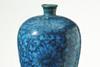
Pottery vessels have been made for around 18,000 years. But how does clay extracted from the earth become a colourful pot, and what's the chemistry behind the process?
Making things from burnt clay has been part of human experience for many thousands of years. A small figurine of a woman is the earliest known object made of fired earth, dated to almost 30 000 years ago. The earliest known example of a pottery vessel was made around 18 000 years ago.1 Since then, the craft of pottery has developed in all parts of the world, both for the practical purposes of making usable vessels for food and storage, and as expressions of the instinct for art and ritual. About 7000 years ago the Egyptians discovered the art of glazing their pots. Subsequently the Chinese steadily improved kilns and so it was possible to produce more and more highly decorated stoneware and porcelain.
The immense strides in the making of pots were the result of patient trial and error by thousands of potters over thousands of years. A scientific approach to the process only became possible in the past two centuries, initially in establishing the compositions of the materials used. More recently, with the development of modern analytical techniques, the elucidation of their structures has been possible. Although much is now known about the materials and their structures, there are so many variables and the structures so complex, that the empirical approach still largely dominates pot making.
Make your lessons pop
Choose an account option to continue exploring our full range of articles and teaching resources