




David designs and makes catalysts that are helping to develop sustainable aviation fuels
Everything you need to know
-
- Salary range: Over £40k
- Minimum qualifications: PhD
- Skills required: Practical skills, technical chemistry knowledge, project management, research skills, written reporting, collaboration, business knowledge, data analysis.
- Training required: A combination of manufacturers’ training and training on how to use lab-based equipment.
- Work–life balance: Core hours are 9.00am till 4.00pm. Lab-based work needs to be carried out on site and there’s no lone working on site. If you're not working in the lab, you could work at home, for example, writing reports.
- Career progression: As we're quite a small, new company, career progression has been fairly organic. An example of career progression is scientist to senior scientist, which is gauged on a yearly basis, based on work and abilities.
- Locations: Find related work experience positions using our map of employers
What does your company do?
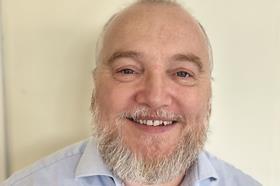
We work in a science area called catalysis, which helps speed up chemical reactions. Our company focuses on making flying more eco-friendly by helping to create sustainable aviation fuels. Clients come to us when they have science problems they can’t solve or don’t have the tools for. For example, we help turn carbon dioxide into cleaner fuels. To do this, we design and test catalysts, which help the chemical reactions work better.
What does a technical director at Drochaid Research Services Ltd do?
My role is designing and making catalysts in the lab. I read scientific papers to learn what’s already been done. I also create new catalysts and study them to understand how they work. After that, my colleagues test and analyse them. Making a good catalyst can take several steps, and each one impacts how the final product works.
What is your typical day like?
It’s a small company so everyone has a hand in most things. Part of my job is talking to potential clients to understand what they need, how we can help and how much it will cost. I also help run the lab and look after equipment.
What do you like most about your job?
I enjoy doing the chemistry, especially making and studying catalysts. I also like solving problems for clients and working out what the options are.
How is your job making the difference?
We generate the data, information and methods that helps other companies switch to more environmentally friendly ways of making their products. We work on turning CO2 into cleaner fuels for planes, instead of using fossil fuels like oil and gas. We also help companies make products using natural, renewable materials rather than chemicals from oil.
Who or what inspired you to work in chemical science?
Originally, it was my high school chemistry teacher – he was very enthusiastic and I liked chemistry. From there, my PhD supervisor was very influential in the way that he worked. He allowed his students to carry out the research themselves and push themselves forward. It was my first experience of independent research after my degree and he guided me towards being able to carry out my own research.
How did you get into your current role?
After my PhD, I did a couple of postdoctoral studies, which included polymer degradation, then the opportunity arose here in St Andrews, which is where I work now. I was in the South of England and it was one of those job adverts where you think, “I’ve got five of the seven of these points.” At the time, I was looking to move back to Scotland – it was a combination of the job looked interesting and it was in the right location.
What advice would you give to a young person thinking of studying chemistry or considering a career in your field?
I would say only do it if you enjoy chemistry because, like any job, it’s a hard slog at times. If you don’t have that enjoyment or want to do it, then that makes it much more difficult. I think the interest and enjoyment is the first and foremost thing for me. If you enjoy it, keep doing it and, if you don’t enjoy it, find something that you do enjoy.
What do you dream about doing further down the line?
I’m interested in how renewable technologies grow – like making plastics from natural sources instead of oil. I hope to play a part in these ideas becoming products that people use every day.
Want to know more?
- Browse Drochaid Research Ltd’s website.
- Find out more about catalysts on BBC Bitesize.
David Brown, Technical Director at Drochaid Research Services Ltd.
Published September 2025