


Starch turned into a strong transparent film
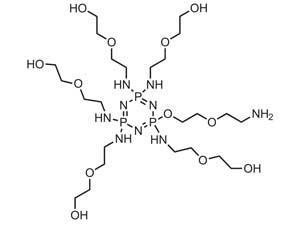
Plant plastics reach for the stars was first published by Chemistry World.
Starch turned into a strong transparent film
Plant plastics reach for the stars was first published by Chemistry World.
Secure your learners’ understanding of addition polymerisation
Connect learners’ thinking about the alkanes octane and butane and their boiling points at different conceptual levels
Improve learners understanding of the addition polymerisation of polypropene at different conceptual levels
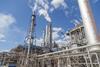
Discover how membrane technology could cut the energy and emissions associated with crude oil refining
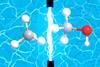
Show learners an example of a greeener approach to an industrial reaction

Connect ideas about nanoparticles and catalysis to emerging hydrogen technologies
No comments yet