









Neil Goalby
Neil has been teaching chemistry for nearly 30 years and is also a chief examiner. He is currently head of chemistry at Bancroft’s School in North East London. Neil is the author of the popular chemistry revision website chemrevise.org
 Resource
Limiting and excess reactants: quantitative | Developing understanding | 14–16 years
Develop learners quantitative understanding of limiting and excess reactants with the support of bar diagrams
 Resource
Bondio ïonig | Datblygu dealltwriaeth | 14–16 oed
Datblygu dealltwriaeth y dysgwyr o ddellt ïonig drwy gymharu cynrychioliadau 2D a 3D
 Ideas
IdeasUse global conflict to teach the Haber process
How to link the Strait of Hormuz to ammonia production and sustainability in your lessons
 Resource
Reacting ratios: gas volumes | Developing understanding | 14–16 years
Connect learners’ ideas about balanced equations, the ratio of atoms and moles and the volume of reactants and products
 Resource
Symbols and formulas | Developing understanding | 11–14 years
Develop your learners’ understanding of what is represented by symbols and chemical formulas
 Ideas
IdeasGive science lessons a real-life context
Keep your learner’s curiosity burning by relating your topic to current issues and everyday life with these five approaches
 Resource
Limiting and excess reactants (qualitative) | Developing understanding | 14–16 years
Introduce limiting and excess reactants using an analogy of ice cream and ice cream cones
 Resource
Concentration and moles | Developing understanding | 14–16 years
Support learners to develop secure mental models of how concentration is measured and calculated in mol/dm3
 Resource
Word equations | Developing understanding | 11–14 years
Use this worksheet to improve your learners’ understanding of writing and interpreting word equations
 Resource
Yield | Developing understanding | 14–16 years
Part of the Johnstone’s triangle series, this resource includes teacher notes and a student worksheet to help learners understand the difference between actual and theoretical yield
 Resource
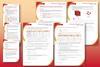
Interpreting chemical equations for ionic compounds | Developing understanding | 14–16
Help your learners develop mental models of what is represented in balanced chemical equation for ionic compounds with this resource, including teacher notes and a student worksheet
 Resource
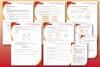
Moles and volume | Developing understanding | 14–16 years
Deepen your learners’ understanding of the idea that equal volumes of gases contain an equal number of molecules with this worksheet
 Resource
Moles and mass | Developing understanding | 14–16 years
Develop understanding of the relationship between the mass of one mole, the number of moles and the mass of a substance
 Resource
Molau a màs | Datblygu dealltwriaeth | 14–16 oed
Datblygu dealltwriaeth o’r berthynas rhwng màs un môl, nifer y molau a màs sylwedd
 Resource
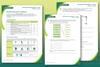
Reactant and product substances | Developing understanding | 11–14
Use these worksheets to secure and deepen your learners’ understanding of reactants and products in chemical changes
 Resource
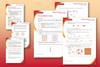
Dehongli hafaliadau cemegol | Datblygu dealltwriaeth | 14–16 oed
Dyfnhau dealltwriaeth dysgwyr o ddehongli hafaliadau cemegol drwy archwilio’r pwnc ar wahanol lefelau cysyniadol
 Resource
Interpreting chemical equations | Developing understanding | 14–16 years
Deepen learners’ understanding of interpreting chemical equations by exploring the topic at different conceptual levels
 Resource
Concentration and mass | Developing understanding | 14–16 years
Encourage learners to deepen their understanding of concentration and mass from the macroscopic to sub-microscopic level
 Resource
Crynodiad a màs | Datblygu dealltwriaeth | 14–16 oed
Annog y dysgwyr i ddyfnhau eu dealltwriaeth o grynodiad a màs o’r lefel facrosgopig i’r lefel is-ficrosgopig
 Resource
Cymarebau adweithio: masau | Datblygu dealltwriaeth | 14–16 oed
Datblygu dealltwriaeth dysgwyr o gymhareb y nifer mawr iawn o atomau neu foleciwlau mewn hafaliadau cemegol cytbwys