






November has plenty in store for you. Dive into this month’s newsletter for opportunities to boost your digital skills and champion early career teachers. Plus, come along to the ASE Annual Conference and our Meet the Funders webinar. We’d love to see you there!
Do you want to develop your digital skills for chemistry teaching?
Our new self-led personal development course will give you the knowledge and confidence to integrate essential digital tools into teaching and learning in your chemistry classroom. If you’re interested and want more information, join our support session where you can explore practical approaches to using digital skills in chemistry teaching.
There are nine modules, including:
- digital assessment
- online safety
- interactive simulations
- data logging, analysis and graphing
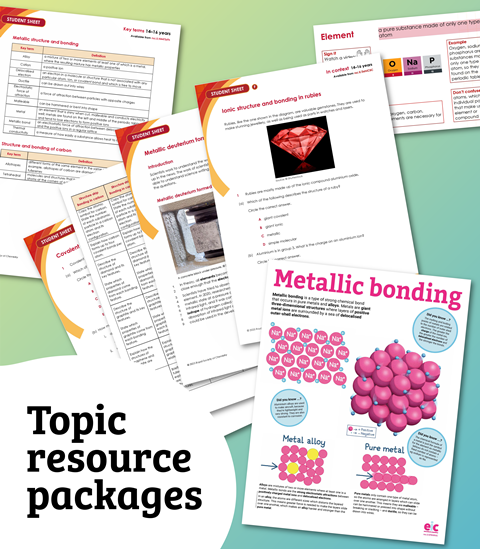
Discover our latest organic chemistry topic packages for ages 14–16
Everything you need to prepare, deliver, assess and enrich engaging organic chemistry lessons with confidence.
- Hydrocarbons and crude oil, including fractional distillation; properties of hydrocarbons; cracking and addition polymerisation.
- Organic compounds and reactions, including alkenes; alcohols and carboxylic acids and condensation polymerisation
Each package includes misconceptions guidance, worksheets, posters, practical experiments, plus links to careers, lesson ideas and language support.
ASE Annual Conference
University of Northampton | 7–9 January 2027
Join us at the UK’s largest science education event, the Association for Science Education’s Annual Conference. Over three days, primary and secondary teachers, technicians, trainees and ECTs and teacher developers will have access to 220+ sessions, including keynotes, workshops, and an exhibition of science education organisations.
Come to our sessions:
- Bring climate change to life through chemistry and real-world contexts.
Discover how sustainability contexts can deepen learners’ understanding of chemical concepts and their connections to global challenges. - Curriculum Change in England for KS1 to KS4 and What do I need to do to be ready for chemistry curriculum 2028?
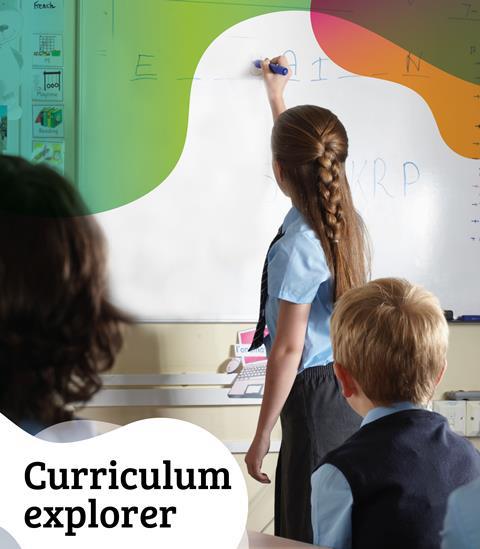
Discover the work the RSC ’s Laura Daly has been doing with the Department for Education to develop the reformed Science Programmes of Study in England and GCSEs subject content. The sessions will outline the priorities and evidence underpinning the drafting process and go into some of the changes for chemistry.
Develop expertise in practical chemistry teaching and mentoring
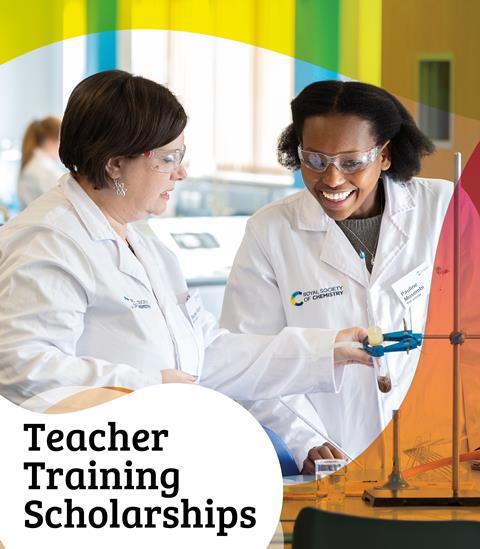
Would you like to strengthen practical chemistry teaching in your department, school or teacher training programme? Join us on Tuesday 12 January for a one-day professional development course designed for teachers, mentors, teacher educators and trainers. Explore effective approaches to planning and delivering practical work, managing practical lessons and supporting early career teachers to develop confidence in practical chemistry.
Participants will receive a range of resources and strategies to take back to their schools, departments and training programmes, helping to improve practical chemistry teaching more widely.
What funding is available for science engagement projects?
Meet funders from across the sector, discover their grant schemes, learn what they look for and ask questions directly. Whether you’re a first-time applicant or an experienced grant holder, you’ll gain practical insights to help you find your next funding opportunity.
Representatives from the Institute of Physics, the Royal Academy of Engineering, the Royal Astronomical Society, the Royal Society and the Royal Society of Chemistry will each introduce their funding programmes and share advice on developing strong grant applications.
Contribute to a study on barriers to assessed practicals
There’s limited guidance on reasonable adjustments for assessed practicals, but you can help change that with your own experiences. Take part in a research study for teachers England, Wales, Scotland, Northern Ireland, funded by the RSC Inclusion and Diversity Fund, exploring barriers to assessed practical science for students with SEND/ASN in post-compulsory education. You can help by completing a survey and volunteering for a follow-up interview to share further insights.
No comments yet