

Make learning explicit in your chemistry classroom with these evidence-based strategies to boost engagement, motivation and achievement
What is visible learning?
At its core, visible learning is about making learning explicit – both for teachers and students. Teachers focus on understanding the impact of their instruction by setting clear learning intentions, structuring lessons and providing timely feedback. Students learn to set their own goals, monitor their progress and understand what success looks like.
Who developed visible learning?
Visible learning comes from education academic, John Hattie’s large-scale analysis of what works best in education. By combining results from thousands of studies, John identified which teaching practices have the greatest impact on student achievement, measured through effect size.
What areas of visible learning make a real difference for chemistry lessons?
John’s research shows that strategies with an effect size above 0.6 have a significant influence on learning. In chemistry, three areas make a particular difference: goal setting, lesson structure and feedback.
What is goal setting?
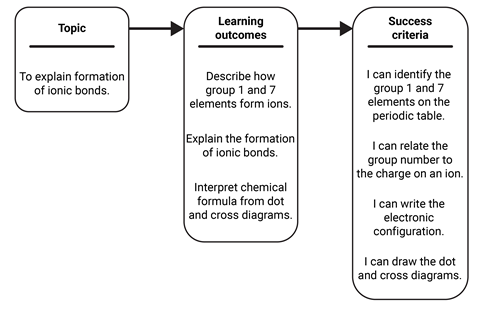
Clear learning intentions and success criteria help students understand what they’re aiming for and how to get there. When goals are specific, challenging and measurable, they guide learners toward purposeful effort and reflection.
In my chemistry lessons, I deliberately emphasise learning intentions and make success criteria transparent to support student understanding. Students use success criteria to track their progress and self-assess their work. This approach builds motivation, self-regulation and a sense of ownership.
What does lesson structure offer?
This approach brings clarity, focus and impact to the classroom. When teachers define learning intentions, outline success criteria and sequence activities purposefully, they create a roadmap that guides students. This structure promotes engagement, deep understanding and reflection, making learning more meaningful and visible.
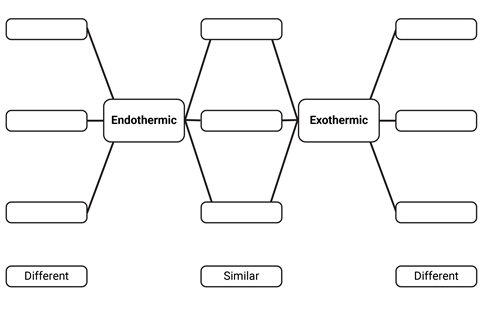
Visible learning aligns closely with the SOLO taxonomy, which I embed deliberately in my lessons. This helps students extend existing knowledge into more complex ideas and visualise conceptual connections across topics, making learning more explicit for both teacher and students.
Visible learning aligns closely with the SOLO taxonomy (rsc.li/3YpFXPl), which I embed deliberately in my lessons. This helps students extend existing knowledge into more complex ideas and visualise conceptual connections across topics, making learning more explicit for both teacher and students.
Within an inclusive learning approach, what does feedback look like?
In visible learning feedback has an overall effect size of 0.79 and ranks among the most effective ways to improve pupil learning. It bridges the gap between current performance and the goal. As John and co-author Gregory Yates note, ‘Feedback works because the goal is known and accurately defined through realistic assessment.’ For feedback to have impact, teachers identify where the students are, where they need to be and communicate the specific steps to get there. Effective feedback prompts learners to reflect, adjust strategies and take ownership of their learning.
Based on the research, I embed feedback at three levels: task, process and self-regulation.
Task-level feedback offers specific guidance on completing individual tasks, emphasising accuracy, clarity and correctness. It focuses on the task outcome rather than overall ability and provides clear corrections with actionable next steps. This level is most effective when students learn new concepts, and it helps to build fluency.
I point out what learners got right and where they’ve gone wrong or missed something. For example, I might say: ’Equation 2 is balanced correctly. For equation 3, check the number of oxygen atoms on both sides. Your explanation is mostly correct but could be clearer – mention the delocalised electrons.’
Process-level feedback addresses how students approach and complete work. It highlights the methods and steps used, helping students develop effective strategies, spot errors and connect concepts to promote deeper understanding and mastery.
Point out what learners answered correctly, and suggest next steps. I might say, for example: ’You explained reactivity of alkali metals correctly. How is this different from halogens? How would the shape of the rate of reaction graph change if you increased the concentration of the reactants?’
Self-regulation feedback helps students take control of their learning by monitoring progress, setting goals, reflecting on understanding and adjusting strategies. It develops self-evaluation skills and builds confidence, encouraging deeper engagement.
Again, I note what learners have got right, and then prompt them to think about their approach, saying for example: ’You calculated the bond energies correctly. Can you break the calculation into smaller steps to show your working? You identified the sources of error in your investigation. How could you minimise their effects?’
What are the benefits for teachers and students of visible learning?
Visible learning shifts the focus from teaching to the impact of learning. It provides a strong evidence base to help teachers prioritise strategies that accelerate progress and create deeper understanding.It improves pupil outcomes by making learning intentions, success criteria and thinking processes explicit.
It promotes active engagement, supports self-assessment and focused feedback, and deepens understanding. By building motivation and confidence, visible learning helps students to reflect on progress and take ownership of their learning.
What do I need to consider when using a visible learning approach?
Visible learning strategies work best when you have time and resources to provide personalised feedback and reflection opportunities. Large class sizes or limited access to technology can make this challenging. It is also worth remembering that effect size is a guide, not a rule. A strategy with a smaller effect size may still work well for your learners or subject context. Equally, high-impact strategies might require more resources, funding or time to use effectively.
Where to go next
- Read this pdf summary of visible learning produced for teachers by teachers.
- Discover John Hattie’s own guide to visible learning and resources.
- Read this pdf summary of visible learning produced for teachers by teachers: bit.ly/4sBu32H
- Discover John Hattie’s own guide to visible learning and resources: bit.ly/4qzkZcK







No comments yet