









All Class experiment articles – Page 10
-
 Class experiment
Oxidation of ethanol
In this class practical, ethanol is oxidised by acidified sodium dichromate to form ethanal and then ethanoic acid. Includes kit list and safety instructions.
-
 Class experiment
Displacement reactions of non-metals
Investigate a displacement series of non-metals using oxygen and chlorine in this class practical or demonstration. Includes kit list and safety instructions.
-
 Class experiment
How much oxygen is used when iron wool rusts?
Try this practical to investigate how much oxygen is used in rusting and calculate the percentage of oxygen in air. Includes kit list and safety instructions.
-
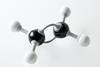 Class experiment
Dehydration of ethanol to form ethene
Use this class practical or demonstration to produce ethene gas as an example of an unsaturated hydrocarbon. Includes kit list and safety instructions.
-
 Class experiment
Microscale preparation of ethyl benzoate
Try this class practical to prepare the ester ethyl benzoate on a microscale by warming ethanol and benzoic acid. Includes kit list and safety instructions.
-
 Class experiment
The reaction of carbon dioxide with water
Form a weak acid from the reaction of carbon dioxide with water in this class practical. Includes kit list and safety instructions.
-
 Class experiment
Properties of alkali metal compounds
Try this class practical to explore the physical and chemical properties of various alkali metal compounds. Includes kit list and safety instructions.
-
 Class experiment
Equilibria involving carbon dioxide in aqueous solution
Use this demonstration or class practical to illustrate changes to equilibria in carbonated soda water. Includes kit list and safety instructions.
-
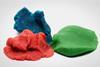 Class experiment
Modelling alloys with plasticine
Try this class activity to explore how alloying can be used to change the properties of a metal. Includes kit list and teaching notes.
-
 Class experiment
Comparing the melting points of solder, tin and lead
Test the melting points of lead, tin and solder to investigate solder as a solid mixture and alloy in this practical. Includes kit list and safety instructions.
-
 Class experiment
What ions cause hardness in water?
Investigate how different cations and anions in dissolved salts affect the formation of a lather in this experiment. Includes kit list and safety instructions.
-
 Class experiment
Carbon filtration and activated charcoal
Try this practical to remove objectionable tastes and odours from water using carbon in the form of activated charcoal. Includes kit list and safety instructions.
-
 Class experiment
Separating salts from seawater
Try this simple practical to show that seawater contains a mixture of different salts. Includes kit list and safety instructions.
-
 Class experiment
A microscale oxidation of alcohols
Use this practical to investigate the oxidation reactions of various alcohols with acidified potassium dichromate. Includes kit list and safety instructions.
-
 Class experiment
Extracting copper from copper(II) carbonate
Use this practical to produce copper from copper(II) carbonate, modelling the extraction of copper from malachite. Includes kit list and safety instructions.
-
 Class experiment
Making esters from alcohols and acids
Investigate the reactions between a range of alcohols and acids by producing a variety of esters in this class experiment. Includes kit list and safety instructions.
-
 Class experiment
The chemistry of cooking potatoes
Use this class practical to investigate what happens to potatoes and potato cells when they are boiled. Includes kit list and safety instructions.
-
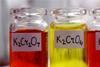 Class experiment
A chromate–dichromate equilibrium
Try this class practical to investigate an equilibrium between chromate(VI), dichromate(VI) and hydrogen ions. Includes kit list and safety instructions.
-
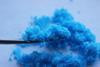 Class experiment
A reversible reaction of hydrated copper(II) sulfate
A class practical which investigates the reversible reaction of hydrated copper(II) sulfate. Includes kit list and safety instructions.
-
 Class experiment
The reaction of aluminium and copper(II) sulfate
Try this practical or demonstration to illustrate the displacement of copper from copper sulfate using aluminium foil, with kit list and safety instructions.