









All Electrochemistry articles – Page 3
-
 Class experiment
The electrolysis of solutions
Electricity is passed through various solutions and the products are identified. Includes kit list and safety instructions
-
 Class experiment
Chemistry and electricity
Create coloured writing from acids, alkali, and salt solution, all activated through electrolysis.
-
 Resource
Energy transfer: primary science podcasts
Join Kareena and her superhero friend K-mistry for this short podcast introducing children to appliances that run on electricity.
-
 Demonstration
Exploding bubbles of hydrogen and oxygen
Create a small explosion in this demonstration by electrolysing water to produce hydrogen and oxygen bubbles. Includes kit list, video and safety instructions.
-
 Demonstration
Electrolysis of molten zinc chloride
Try this demonstration to show how an ionic salt will conduct electricity when molten but not when solid. Includes kit list, video and safety instructions.
-

-
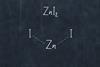 Class experiment
Exothermic redox reaction of zinc with iodine
Using an exothermic redox reaction between zinc and iodine, student will make zinc iodide. This can be reversed using electrolysis to decompose the compound.
-
 Resource
Aspects of the platinum group metals │16–18 years
A teaching and comprehension exercise based on the principles by which the platinum group metals are extracted and separated
-
 Resource
Chemistry Vignettes: Electrochemistry
A series of short screencast videos to introduce electrochemistry
-
 Demonstration
Anodising aluminium
Explore an application of electrolysis in this demonstration by anodising aluminium to improve corrosion resistance. Includes kit list and safety instructions.
-
 Class experiment
Rechargeable cells: the lead–acid accumulator
Use this practical to demonstrate the chemistry behind rechargeable batteries, using a lead–acid accumulator cell. Includes kit list and safety instructions.
-
 Class experiment
Which substances conduct electricity?
In this class practical, students test the conductivity of covalent and ionic substances in solid and molten states. Includes kit list and safety instructions.
-
 Class experiment
Preferential discharge of cations during electrolysis
Use this practical to show that metal cations are preferentially discharged, in relation to the metal’s position in the reactivity series. Includes kit list and safety instructions.
-
 Class experiment
The migration of ions during electrolysis of potassium manganate(VII)
Try this class practical to investigate the migration of ions during electrolysis as evidence for the ionic model. Includes kit list and safety instructions.
-
 Demonstration
Quantitative electrolysis of aqueous copper(II) sulfate
Use this demonstration to find the value of the Faraday constant from electrolysis of copper(II) sulfate solution. Includes kit list and safety instructions.
-
 Class experiment
Identifying the products of electrolysis
Try this class experiment to carry out the electrolysis of various solutions and investigate the products formed. Includes kit list and safety instructions.
-
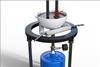 Demonstration
Electrolysis of molten lead(II) bromide
Introduce your students to the study of electrolysis through the production of metallic lead and bromine in this demonstration. Includes kit list and safety instructions.
-
 Class experiment
Electrolysis of copper(II) sulfate solution
Explore the electrolysis of copper(II) sulfate solution and related industrial processes with this class experiment. Includes kit list and safety instructions.
-
 Resource
Anodising titanium
Explore how the colour of titanium metal covered with titanium dioxide varies with the thickness of titanium dioxide.
-
 Resource
On This Day - Jan 04 : Dow isolated bromine
This new method of electrolysis greatly simplified the process for isolating bromine (Br2). Dow became the founder of Dow Chemical Company and was a pivotal figure in developing America’s chemical industry.
- Previous Page
- Page1
- Page2
- Page3
- Page4
- Next Page