



All Communication skills articles – Page 2
-
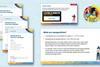 Project
Nanoparticles in sunscreen challenge | Chemistry for All project | 14–16 years
Make your own sunscreen and determine its SPF using UV light transmission
-
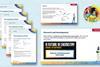 Project
Analysing the chemistry of food | Chemistry for All project | 14–16 years
Analyse food and drink samples using TLC, titration and visible absorption spectroscopy with this engaging project
-
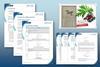 Resource
The aspirin story | 16–18 years
Find out about the discovery and use of aspirin with this research and presentation task for groups of 16–18 year-old learners
-
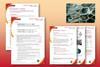 Resource
Recycling plastics evaluation | 14–16 years
Develop your learners’ evaluation, extended writing and maths skills in the context of polymers
-
 Ideas
IdeasStrategies to help students write scientifically
Essential advice from an English teacher on how to successfully model the writing process and boost your learners’ skills
-
 Ideas
IdeasCreating posters to present information
Help your students learn how to communicate their results effectively
-
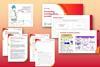 Resource
Presenting investigations: academic-style posters | 14–16 years
Using this resource, learners create an academic-style poster summarising the key information and data from an investigation
-
 Ideas
IdeasBuilding literacy skills in science
Follow this guide to introduce and develop your students’ literacy skills in science
-
 Ideas
IdeasImprove your students’ literacy in science skills
Use these tips to help your pupils write and talk like a scientist
-
 Resource
Structure and bonding: exploding exam questions | 14–16 years
Present and practise a technique to help learners understand the language used in extended-reponse questions and improve their answers
-
 Feature
Moving from fossil fuels to renewable energy
Recent steep price increases could push us towards renewable energy
-
 Resource
The politics of energy – structure strip | 14–16 years
Develop your learners reading comprehension and writing skills while revisiting topics from organic and atmospheric chemistry
-
 Ideas
IdeasHow to harness social media to teach the development of the periodic table
Help students understand how scientific ideas are developed by creating social media posts from historic scientists
-
 Feature
How to apply cognitive load theory to chemistry topics
Ideas from cognitive science to transform your chemistry teaching
-
 Resource
Reciprocal reading task: agriculture and ammonia | 14–16 years
Provide context and help build cultural and science capital, while improving learners’ reading skills
-
 Resource
Catalysts and reaction conditions for sustainable industry | 16–18 years
Research and presentation activity based on catalysts and reaction conditions in the context of sustainable industry
-
 Ideas
IdeasEffective reading strategies for the chemistry classroom
Try these simple, teacher-tested approaches to build your students’ literacy skills
-
 Job profile
Senior director of chip research
Jason talks about his team’s important work on a platform that allows scientists to sequence DNA wherever they are and uncover viral outbreaks, or identify new species.
-
 Job profile
Executive editor, scientific publishing
Katie uses her chemistry background and works with scientists around the world to advance the chemical sciences by publishing the latest leading research in scientific journals
-
 Job profile
Research & development team leader - smart food labels
Giorgia leads a team at a small company that is helping to fight food waste by developing smart labels technology