





All Resource articles – Page 24
-
 Resource
Alkenes – organic chemistry worksheets | 14–16
Student worksheets at foundation and higher level. Apply knowledge in context and assess learning with questions exploring alkenes, including the context of ripening fruit.
-
 Resource
Alcohols – organic chemistry worksheets | 14–16
Student worksheets at foundation and higher level. Apply knowledge in context and assess learning with questions exploring alcohols, including burning alcohols in cooking and as fuels.
-
 Resource
Cracking hydrocarbons – organic chemistry worksheets | 14–16
Student worksheets at foundation and higher level. Apply knowledge in context and assess learning with questions that explore cracking hydrocarbons, including an experiment with liquid paraffin.
-
 Resource
Hydrocarbons – organic chemistry worksheets | 14–16
Student worksheets at foundation and higher level. Apply knowledge in context and assess learning with questions exploring hydrocarbons, including structural formulae, writing word equations and balancing symbol equations.
-
 Resource
Hydrocarbonau – Taflenni gwaith cemeg organig | 14-16 oed
Taflenni gwaith i fyfyrwyr ar lefel sylfaen a lefel uwch. Cymhwyso gwybodaeth mewn cyd-destun ac asesu dysgu gyda chwestiynau sy’n archwilio hydrocarbonau, gan gynnwys fformiwlâu adeileddol, ysgrifennu hafaliadau geiriau a chydbwyso hafaliadau symbolau.
-
 Resource
Organic chemistry worksheets | 14–16 years
Differentiated worksheets to assess learning and apply knowledge in context
-
 Resource
Crude oil – organic chemistry worksheets | 14–16
Student worksheets at foundation and higher level. Apply knowledge in context and assess learning with questions exploring the topic of crude oil, including fractional distillation, fuels and other products.
-
 Resource
Plant-based plastics | 11–14 years
Put chemistry into context and encourage your 11–14 students to use their critical thinking skills with these classroom activities
-
 Resource
Improving students’ geometry skills for chemistry
Use these diagnostic questions and practice problems to boost knowledge of shapes, surface areas and volumes
-
 Resource
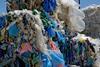
Properties of polymers
A lesson presentation with activities for your 11–14 students on polymers and their properties
-
 Resource
Innovations in packaging
Explore polymers and redox via food wrap innovations with this activity for 11–16 students
-
 Resource
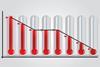
Improve graph skills for chemistry
A diagnostic exercise, practical and worksheet to assess and boost students’ grasp of graphing
-
 Resource
Improving engagement with good practical science – Gatsby benchmark action planning pack
Improve practical provision and ultimately student engagement with science learning
-
 Resource
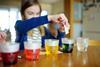
From kitchen to classroom
Simple chemistry experiments using kitchen cupboard equipment. Use in the classroom or set as an activity for learners to do at home with a responsible adult.
-
 Resource
Practical videos | 16–18 years
Videos of key practical techniques and apparatus for revision, flipped learning or remote teaching
-
 Resource
SSERC guidance on practical work and Covid-19
Read more about SSERC’s guidance on practical work during the Covid-19 pandemic
-
 Resource
CLEAPSS guide to doing practical work during the Covid-19 pandemic
Learn more about practical guidance from CLEAPSS for this school year
-
 Resource
Starters for 10 – cymwyseddau mathemateg sylfaenol (16–18)
Defnyddiwch y Starters for ten hyn i brofi dealltwriaeth eich myfyrwyr o gymwyseddau mathemateg sylfaenol gan gynnwys aildrefnu hafaliadau, ffigurau ystyrlon a throsi unedau.
-
 Resource
Starters for 10 – cymwyseddau ymarferol sylfaenol (16–18)
Mae’r Starters for ten hyn yn rhoi sylw i sgiliau ymarferol sylfaenol fel cyfarpar labordy, cofnodi canlyniadau, a llunio graffiau gwasgariad.
-
 Resource
Starters for 10 – cymwyseddau cemeg sylfaenol (16-18)
Gallwch chi brofi gallu eich myfyrwyr i gydbwyso hafaliadau, llunio fformiwlâu ïonig, ac ysgrifennu hafaliadau o destun gan ddefnyddio ein Starters for ten ar gyfer cymwyseddau cemeg sylfaenol.