








All Ions articles – Page 2
-
 News
NewsIs every substance a molecule?
Use this to help chemistry students accurately apply covalent bonding models
-
 Poster
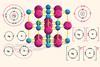
How to draw ionic bonding dot and cross diagrams
Use this step-by-step approach to help your 14–16 students master ions
-
 Exhibition chemistry
The reaction between sodium and chlorine
Use this to demonstrate this classic and spectacular chemistry experiment
-
 Ideas
IdeasModelling ionic bonds with plasticine
Mould your students’ understanding of ionic bond formation and overcome misconceptions
-
 CPD article
Teaching redox chemistry post-16
Try these ideas to help make redox less confusing for students
-
 Exhibition chemistry
Shocking revelations 2: neutralisation reactions
Use this experiment to demonstrate the different behaviours of weak and strong acids
-
 Games and puzzles
Pos rhesymeg ïonau | 14–16 oed
Pos rhesymeg hwyliog sy’n profi’r hyn mae’r dysgwyr yn ei gofio am y berthynas rhwng rhif grŵp cyfnodol a gwefr ïonau syml
-
 Games and puzzles
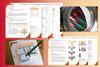
Ions logic puzzle | 14–16 years
A fun logic puzzle which tests learners’ recollection of the relationship between periodic group number and charge on simple ions
-

-
 Exhibition chemistry
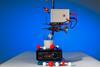
Shocking revelations: a conductometric titration
Strengthen students’ mental models of particles reacting in solution
-
 Class experiment
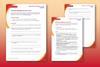
Taflen waith titradiad asid-alcali dargludfesurol | 14–16 oed
Datblygu dealltwriaeth eich dysgwyr o ïonau a’r newid mewn crynodiadau ïonig mewn niwtraliad asid-alcali
-
 Class experiment
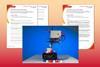
Acid–alkali conductometric titration worksheet | 14–16 years
Develop your learners’ understanding of ions and the changes in ionic concentrations in an acid-alkali neutralisation
-
 Exhibition chemistry
Ymsymudiad ïonau: dod ag electrolysis yn fyw
Dangoswch symudiad ïonau positif a negatif gyda fersiwn symlach a mwy diogel o’r arddangosiad clasurol hwn
-
 Exhibition chemistry
The movement of ions: bringing electrolysis to life
Demonstrate the movement of positive and negative ions with a simpler, safer version of this classic demo
-
 Resource
Microscale precipitation and neutralisation reactions | 11–16 years
Improve learners’ practical skills by using these microscale experiments to observe a neutralisation and precipitation reaction.
-
 News
NewsThe whitest white paint ever is also the coolest
How paint made with barium sulfate could reduce the need for air conditioning
-
-

-
 News
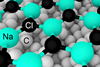
NewsDiamond helps to discover hexagonal salt
Explore ionic structures in your class with the discovery of a strange form of table salt
-
 Ideas
Ideas5 ways to explain electrolysis
From building good foundations to memorising the rules, these tips will help your students grasp this tricky topic
- Previous Page
- Page1
- Page2
- Page3
- Page4
- Next Page