










Louise Glynn
Louise is a chemistry specialist and teaching and learning lead teacher at an independent girls' school in Dulwich, South London.
Passionate about making chemistry come alive, she’s always exploring new ways to make learning fizz, pop and sparkle. Actively involved in educational research, Louise designs and leads CPD sessions, conducts research projects and lesson studies, and mentors early-career teachers. When she’s not in the lab, you’ll likely find her pirouetting across the dance floor or chasing after her mischievous springer spaniel puppy, Twiggy.
 Resource
Crude oil | Key terms support | 14–16
Language support pack for the introductory organic chemistry topic crude oil, including fractional distillation, properties of hydrocarbons, cracking and addition polymers
 Resource
Organic compounds and reactions | Key terms support | 14–16
Language support pack for organic compounds and reactions, with key terms list, accessible glossary, Frayer models and unscrambling definitions
 Resource
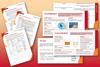
Elements, compounds and mixtures | Key terms support | 14–16
Key terms list, accessible glossary, Frayer models and unscrambling definitions provide comprehensive language support for this topic
 Resource
Elements, compounds and mixtures | Key terms support | 11–14
Language support pack for elements, compounds and mixtures, with key terms list, accessible glossary, Frayer models and unscrambling definitions
 Ideas
IdeasHow to write effective multiple choice questions
Quiz your students and improve their understanding with our seven tips for crafting assessment questions and answers
 CPD article
Teaching atom economy, percentage yield and green chemistry post-16
Use these tips and ideas for teaching these quantitative topics
 Resource
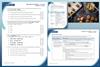
Atom economy, percentage yield and green chemistry misconception buster | 16–18 years
Identify and address common misconceptions on this topic with diagnostic questions based on the calculations and their impact on sustainability
 Ideas
Ideas3 ways to help students master metacognition
Improve learners’ thinking about their thinking to help them successfully answer multistep questions
 Ideas
IdeasBegin early for effective revision
How a low-pressure support session can help your learners effectively prepare for exams
 Ideas
IdeasBoost younger students’ grasp of atomic structure
How to go beyond the simplistic when teaching this topic at 11–14, to help students achieve success at 14–16
 Resource
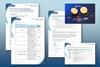
Electrochemical cells misconception buster | 16–18 years
Probe learners’ knowledge of setting up electrochemical cells, redox equations and calculations
 CPD article
How to teach electrochemistry at post-16
Use these tips to help your students calculate redox reactions and create electrochemical cells
 Ideas
IdeasEffective test review strategies
Boost learning for all and banish exam anxiety with this teacher-tested routine
 Ideas
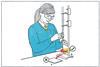
IdeasHow to help students develop their practical skills
Use a model, feedback, reapply loop to develop students’ practical skills
 Resource
Practical skills tracking | 16–18 years
Use these editable tools to help learners develop their practical skills using the Common Practical Assessment Criteria (CPAC)
 Feature
4 ways to boost behaviour management
Use these tips to improve student behaviour and attainment – collaboratively and consistently
 Ideas
IdeasHarness the power of video to dispel misconceptions
A creative solution to reveal and resolve confusion about displacement reactions
 Ideas
IdeasModelling trends in periodicity
How to use models to help your students get on top of periodic trends
 Ideas
Ideas6 steps to successful science lab groups
Improve students’ behaviour and teamwork, and see them take pride in their chemistry practicals
 Ideas
IdeasHow to harness social media to teach the development of the periodic table
Help students understand how scientific ideas are developed by creating social media posts from historic scientists