









All articles by Catherine Smith – Page 2
-
 Resource
Compound confusion | Problem based practical activities
Explore the use of analytical methods and empirical formula to identify unlabelled chemicals.
-
 Resource
Cool drinking | Problem based practical activities
Support students to discover the correct chemical compound to achieve a desired effect on a product, in this case a drinks container.
-
 Resource
Iodination inquiry | Problem based practical activities
Gather data and determine the rate equations for certain reactions with this class practical.
-
 Resource
Acid erosion | Problem based practical activities
Remember to brush up on acid erosion with this experiment into the effects of different acid concentrates on tooth enamel
-
 Resource
Coursework conundrum | Problem based practical activities
Explore the oxidation of alcohols and carboxylic acids, to help a student in this experiment scenario
-
 Resource
Alcohol detective | Problem based practical activities
Students use distillation to purify two samples of fake vodka seized by the local police, and impart an important lesson on chemistry and alcohol.
-
 Resource
A little gas | Problem based practical activities
Students will review the use of computer simulations in sixth form chemistry, writing for science magazine ’The Mole’
-
 Resource
Cleaning solutions | Problem based practical activities
Compare household chemicals and make a recommendation for the best bleach to an advertising agency.
-
 Resource
Carbonate rocks | Problem based practical activities
Using mass change experiments and visual inspection, students must identify four unknown metal carbonates.
-
 Poster
Everything you need to teach fractional distillation
With this poster and classroom activity, your 14–16 students will soon be experts
-
 CPD article
How to teach covalent bonding
Everything you need to teach 14–16 chemistry students this topic
-
 Poster
Teaching the rock cycle
Cement your younger students’ understanding of how rocks are formed with this poster and game
-
 Resource
Acid–base indicators | 16–18 years
Test learners’ understanding of acid–base equilibria with this series of questions on indicators
-
 CPD article
How to teach structure determination post-16
Students find this process puzzling. Help them solve it with these ideas and tips
-
 Resource
Structure determination | 16–18 years
Test learners’ ability to identify the spectra of given compounds and apply their understanding of infrared and NMR spectroscopy with this worksheet
-
 Resource
Iron: a fiery future | 14–16 years
In this activity students are required to apply their understanding of redox to identify which metal is oxidised and which is reduced in a series of displacement reactions
-
 Resource
Fossil fuels and global carbon emissions | 14–16 years
Classroom activity where learners explore and debate the issues around fossil fuels, energy and global carbon emissions
-
 Ideas
IdeasSlot sustainable energy into your teaching
Useful tips and activities to link UN sustainable development goal 7 to your lessons on energy, hydrogen, sustainability and esterification
-
 Resource
Analysing ice cream | 11–14 years
A data analysis exercise for 11–14-year-old learners based on an experiment to measure how the amount of milk fat affects the viscosity of ice cream. Learners will draw graphs, describe trends in the data and identify variables
-
 Resource
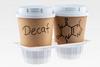
Separating caffeine | 11–14 years
DART (Directed Activity Related to Text) covering separation techniques, including dissolution, distillation and filtration. Decaffeination provides a great context to add depth to a sequence of lessons on separation techniques.
- Previous Page
- Page1
- Page2
- Page3
- Page4
- Next Page