









All Differentiation articles
-
 Resource
Alkenes | Review my learning worksheets | 14–16 years
Identify learning gaps and misconceptions with this set of alkenes worksheets offering three levels of support
-
 Resource
Electrochemical cells misconception buster | 16–18 years
Probe learners’ knowledge of setting up electrochemical cells, redox equations and calculations
-
 Ideas
Ideas6 steps to successful science lab groups
Improve students’ behaviour and teamwork, and see them take pride in their chemistry practicals
-
 Ideas
IdeasWhere to start with teach-to-the-top differentiation
Don’t limit your students: try this approach and provide everyone the support they need to reach the top
-
 Poster
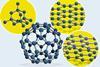
Allotropes of carbon
Use this infographic with your 14–16 classes to boost their knowledge of diamond, graphite, graphene and fullerenes
-
 Resource
Finding a greener concrete
Use these differentiated, synpoptic worksheets to assess students’ recall of the properties and uses of materials
-
 Ideas
IdeasHow to use hinge point questions effectively
They can help both you and your students learn – but what are hinge questions, and when should you ask them?
-

-

-
 Ideas
IdeasSix tips for teaching chemical formulas
Formulas are chemistry’s vocabulary so let’s learn from modern foreign language teaching techniques
-

-

-

-
 Ideas
IdeasHow to support students with autism spectrum disorder
Some simple things you can do to help them
-
 Ideas
IdeasHow to make effective interventions
Try a pinchpoint approach to diagnose and address the reasons for learners’ mistakes in school science
-
 Ideas
IdeasLearning difficulties and chemistry
Use these tips to make your lessons inclusive, engaging and memorable
-
-
-
 Feature
Straight talk
Jo Moules cuts through the confusion and gets to the heart of formative assessment
-
 Feature
The language of chemistry
Tom Husband gives an insider’s view of teaching chemistry to students for whom English is not their first language