






All Working independently articles
-
 Ideas
IdeasHow to build a culture of hard work in your classroom
Why hard work matters more than data – and how to make it happen
-
 Feature
What is the best revision technique?
There’s not just one. Use these evidence-based strategies to set your students up for science exam success
-
 Ideas
IdeasMake revision active
Consolidate knowledge, encourage independent learning and help students self-assess with this activity
-
 Ideas
Ideas5 ways to use structure strips to scaffold learning
Boost your students’ ability to digest topics and write independently with these margin-sized prompts
-
 Feature
How to get your post-16 students to manage their workload effectively
Take a no-nonsense approach guaranteed to help your learners smash coursework targets
-
 Resource
Infection | 11–14 years
Introduce your learners to infection and how to treat some infectious diseases
-
![shutterstock_1916933567 [Converted]-01](https://d1ymz67w5raq8g.cloudfront.net/Pictures/100x67/4/2/1/525421_shutterstock_1916933567converted01_876477.jpg) Ideas
IdeasEffective strategies for homework success
Consolidate in-class learning consistently and effectively so your students ace their exams
-
 Ideas
IdeasHarness the power of video to dispel misconceptions
A creative solution to reveal and resolve confusion about displacement reactions
-
 Ideas
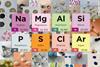
IdeasModelling trends in periodicity
How to use models to help your students get on top of periodic trends
-
 Review
Understanding chemistry through microscale practical work, Bob Worley and David Paterson
Ready to take the small-scale approach into your chemistry classroom? You might want to read this comprehensive guide first
-
 Ideas
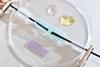
IdeasThe fast guide to microscale practical work
Every chemistry teacher’s must-have guide to this no-fuss method for practical work
-
 Ideas
IdeasEmpower learners to own their success
Foster questioning and analytical thinking in the classroom
-
 Poster
Brilliant buffers
Use this infographic with your 16–18 students to develop their understanding of pH and buffers
-
 Ideas
IdeasReuse remote teaching resources
During lockdown, teachers worked so hard to create engaging remote resources. Now that we’re back in class, let’s continue using these to enhance teaching and learning
-
 Resource
Justice and injustice in chemistry: aspirin and other drugs | 16–18 years
Critical thinking and research task, reflecting on the science and societal views surrounding drugs and their development
-
 Ideas
Ideas3 key skills your post-16 chemists need for university
How to help your students make the transition to higher education more smoothly
-
 Ideas
IdeasEffective questioning in organic chemistry
How to use conversation to help stuck students solve their own problems
-
 Feature
Decaffeination – how does it work?
Organic solvent, supercritical carbon dioxide or water? A knowledge of solvents and solutions is essential for removing caffeine from your daily cuppa
-
 Job profile
Secondary school science teacher
Alice teaches in a secondary school chemistry department helping her students thrive in the future
-
 Feature
The real prize of entering STEM competitions
Both you and your students can gain a lot from participating in science competitions besides winning