








All Literacy articles – Page 4
-
 Resource
Hanukkah doughnuts: interpret practical instructions | 11–14 years
Worksheet on interpreting practical methods using a recipe format, a scientific method and integrated instructions
-
 News
NewsImprove students’ scientific literacy through inquiry
Tips to develop students’ experimental design skills without the need for practical chemistry
-
 News
NewsBoost confidence in STEM
Discover how writing tasks can stimulate learning and boost confidence
-
 Feature
Handing out the keys to language learning
Tips for introducing new vocabulary to your science students
-
 Topic web
Ábhair, athchúrsáil agus bruscar | 4–7 mbliana
Nasc do theagasc curaclaim faoi ábhair le comhthéacsanna spéisiúla inbhuanaitheachta. Sa ghréasán topaicí seo, moltar gníomhaíochtaí ranga a bhaineann le hathchúrsáil agus an méid bruscair a chruthaítear ar scoil.
-
 Ideas
IdeasHow to use textbooks effectively
6 teacher-tested strategies for successful book learning in the classroom
-
 Topic web
Deunyddiau, ailgylchu a sbwriel | 4–7 oed
Cysylltwch eich darpariaeth addysgu ar gyfer y cwricwlwm ynghylch deunyddiau â chyd-destunau cynaliadwyedd diddorol. Mae’r we pynciau hon yn cynnig gweithgareddau yn yr ystafell ddosbarth sy’n gysylltiedig ag ailgylchu a faint o sbwriel a gynhyrchir yn eich ysgol.
-
 Topic web
Materials, recycling and rubbish | 4–7 years
Connect your curriculum teaching on materials to engaging sustainability contexts. This topic web suggests classroom activities linked to recycling and how much rubbish is produced in your school.
-
 Resource
Reciprocal reading task: agriculture and ammonia | 14–16 years
Provide context and help build cultural and science capital, while improving learners’ reading skills
-
 Resource
E10 petrol and climate change | 14–16 years
Fuel your learners’ understanding about fermentation and bioethanol, and check recall and application of knowledge while developing student literacy
-
 Resource
Transition metals and anticancer drugs | 16–18 years
Worksheet to check your students’ knowledge on shapes of complexes, their understanding of anticancer drugs and provide them with some history behind cisplatin
-
 Resource
The pH scale and the chemistry of ocean acidification | 14–16 years
Worksheet to develop understanding of the pH scale and apply it in the context of ocean acidification. Extension questions provide more challenge on carbonic acid and acid base equilibrium, leading to a research task on the consequences for marine organisms
-
 Ideas
IdeasEffective reading strategies for the chemistry classroom
Try these simple, teacher-tested approaches to build your students’ literacy skills
-
 Resource
Fossil fuels and global carbon emissions | 14–16 years
Classroom activity where learners explore and debate the issues around fossil fuels, energy and global carbon emissions
-
 Ideas
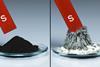
Ideas3 ways to improve your explanations
From examples and non-examples to definitions, tips to communicate new ideas and concepts effectively
-
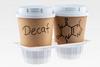 Resource
Separating caffeine | 11–14 years
DART (Directed Activity Related to Text) covering separation techniques, including dissolution, distillation and filtration. Decaffeination provides a great context to add depth to a sequence of lessons on separation techniques.
-
 Feature
Decaffeination – how does it work?
Organic solvent, supercritical carbon dioxide or water? A knowledge of solvents and solutions is essential for removing caffeine from your daily cuppa
-
 Ideas
IdeasActivities for developing key secondary school chemistry skills remotely
Ready-to-go ideas and resources for developing your students’ key skills while home learning, including interpreting graphs and writing about practicals
-
 Feature
The real prize of entering STEM competitions
Both you and your students can gain a lot from participating in science competitions besides winning
-
![Shutterstock 130330691 300tb[1]](https://d1ymz67w5raq8g.cloudfront.net/Pictures/100x67/6/3/0/113630_shutterstock_130330691_300tb1.jpg) Ideas
IdeasHow to teach reading in science
Worried your students struggle with chemistry texts? You're not alone. Here are two solutions