








All Literacy articles – Page 3
-
 Resource
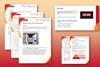
Particle model | Structured talk | 11–14 years
In this speaking and listening task learners work together to build word bridges, building and sharing understanding by applying the particle model
-
 Resource
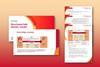
Structure and bonding | Reading comprehension | 14–16 years
Use this reading comprehension based on a real science research news story to develop literacy skills and confidence
-
 Resource
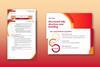
Atomic model | Structured talk | 14–16 years
In this speaking and listening task learners work together to build word bridges, building and sharing understanding of the atomic model
-
 Resource
Structure and bonding | Structured talk | 14–16 years
In this speaking and listening task learners work together to build word bridges by applying, building and sharing understanding of bonding
-
 Opinion
Why and how we should teach literacy in science lessons
Scientific literacy is a key skill for all learners and it should feature in all our teaching, says Ben Rogers
-
 Resource
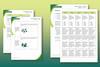
Solutions | Structure strip | 11–14 years
Support learners to retrieve information and write about solutions
-
 Resource
States of matter | Structure strip | 11–14 years
Support learners to recall and write about the properties of solids, liquids and gases
-
 Resource
Diffusion | Structure strip | 11–14 years
Use scaffolded prompts to support learners to write about diffusion
-
 News
NewsImprove assessment accessibility for multilingual learners
Teaching tips to help you tackle four key language challenges EAL learners face in chemistry
-
 Ideas
IdeasFour super replicable steps to embed new vocabulary
Effective tips for teaching tier 2 and 3 terms that’ll improve learning outcomes
-
 Ideas
IdeasA sweet solution to extended questions
Motivate learners to structure their answers for full marks
-
 Ideas
Ideas5 ways to use structure strips to scaffold learning
Boost your students’ ability to digest topics and write independently with these margin-sized prompts
-
 Resource
Atomau ac ïonau | Stribed strwythur | 14–16 oed
Cefnogwch y dysgwyr i gofio ac ysgrifennu am ffurfiant ïonau a’r ffactorau sy’n effeithio arno
-
 Resource
Atoms and ions | Structure strip | 14–16 years
Support learners to recall and write about ion formation and factors that affect it
-
 Resource
Adeiledd yr atom | Stribed strwythur | 14–16 oed
Cefnogwch y dysgwyr i gofio ac ysgrifennu am briodweddau gronynnau is-atomig ac adeiledd atom
-
 Resource
Structure of the atom | Structure strip | 14–16 years
Support learners to recall and write about the properties of subatomic particles and the structure of an atom
-
 Feature
Why you need to collaborate with English and maths teachers to boost student outcomes
Work with out of department colleagues to help your students acquire essential literacy and numeracy skills
-
 Resource
Plastics in energy-saving homes: context-based questions | 16–18 years
Assess your post-16 learners’ current knowledge and understanding of polymers, mechanisms and more
-
 Resource
Structure and bonding: exploding exam questions | 14–16 years
Present and practise a technique to help learners understand the language used in extended-reponse questions and improve their answers
-
 Resource
Adeiledd a bondio: cwestiynau arholiad ffrwydrol | 14–16 oed
Cyflwynwch ac ymarfer techneg i helpu’r dysgwyr i ddeall yr iaith a ddefnyddir mewn cwestiynau ateb estynedig a gwella eu hatebion