





All articles by Naomi Hennah
-
 News
NewsMake peer feedback effective in your science classroom
How to turn students into thinking partners who give useful, actionable insight
-
 Opinion
Oracy is at the heart of chemistry teaching
The Curriculum and assessment review in England focuses on oracy, bringing its policy in line with what’s already happening in science classrooms, say teachers
-
 Opinion
Foster deeper comprehension and engagement with oracy
It’s time to recognise speaking and listening as a cornerstone of learning science
-
 Resource
Particle model | Structured talk | 11–14 years
In this speaking and listening task learners work together to build word bridges, building and sharing understanding by applying the particle model
-
 Resource
Atomic model | Structured talk | 14–16 years
In this speaking and listening task learners work together to build word bridges, building and sharing understanding of the atomic model
-
 Resource
Adeiledd a bondio | Sgwrs strwythuredig | 14–16 oed
Yn y dasg siarad a gwrando hon, bydd y dysgwyr yn gweithio gyda’i gilydd i adeiladu pontydd geiriau drwy gymhwyso, datblygu a rhannu eu dealltwriaeth o fondio
-
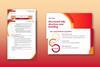 Resource
Structure and bonding | Structured talk | 14–16 years
In this speaking and listening task learners work together to build word bridges by applying, building and sharing understanding of bonding
-
 Resource
Y model atomig | Sgwrs strwythuredig | 14–16 oed
Yn y dasg siarad a gwrando hon, bydd y dysgwyr yn gweithio gyda’i gilydd i adeiladu pontydd geiriau, gan adeiladu a rhannu eu dealltwriaeth o’r model atomig
-
 Opinion
4 ideas to empower your learners
Use key education frameworks, such as PISA, in your chemistry lessons to equip students for life
-
 CPD article
Teaching enthalpy cycles at post-16
Use these tips and resources to help your students construct and interpret enthalpy cycles
-
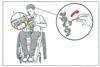 Ideas
IdeasHelp your students understand ethics in science
How to develop learners’ moral problem-solving skills
-
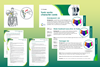 Resource
Toxic socks: nanotechnology, ethics and society | 11–14 years
Use the example of nanotechnology in socks to introduce ethics in science with this structured practice debate
-
 Feature
Make the most of practical work
How to use reverse storyboarding and lab roles to optimise practicals
-
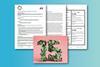 Resource
Reciprocal reading task: agriculture and ammonia | 14–16 years
Provide context and help build cultural and science capital, while improving learners’ reading skills
-
 Ideas
IdeasSustainable use of terrestrial ecosystems
From synthesising ammonia to keeping your school laboratory green, here’s how to link UN Sustainable development goal 15 to your teaching
-
 Ideas
IdeasHow to choose the right practical simulation
Make sure you pick the right virtual practical for your students by asking yourself these 6 questions
-
 Review
Teaching chemistry in higher education, Seery and McDonnell
Not just a tribute, this book is a great introduction to chemistry education research and a practical guide for all involved in chemistry education
-
 Ideas
IdeasDebate in the chemistry class
Cross-disciplinary discussion supports critical thinking and reasoning skills
-
 Feature
Thinking about thinking promotes problem solving
Metacognition helps learners find solutions
-