








All articles by Nuffield Foundation – Page 8
-
 Demonstration
How can hardness in water be removed?
Investigate the effects of three treatments for softening hard water in this class practical and demonstration. Includes kit list and safety instructions.
-
 Class experiment
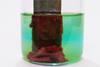
Exothermic metal displacement reactions
Try this class experiment to explore what happens when different metals are added to a copper(II) sulfate solution. Includes kit list and safety instructions.
-
 Class experiment
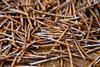
Preventing rust
Try this practical to test methods for preventing rust on iron nails, including painting, greasing and sacrificial protection. Includes kit list and safety instructions.
-
 Class experiment
Preferential discharge of cations during electrolysis
Use this practical to show that metal cations are preferentially discharged, in relation to the metal’s position in the reactivity series. Includes kit list and safety instructions.
-
 Class experiment
Emulsifiers in the kitchen
Test a range of common ingredients to see which ones stabilise an oil and water emulsion in this class practical. Includes kit list and safety instructions.
-
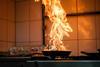 Demonstration
Fat-pan fires and the conditions for combustion
Use this demonstration to illustrate the conditions required to start combustion, and how to put out a pan fire safely. Includes kit list and safety instructions.
-
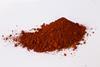 Demonstration
The formation of a sol
Convert a rusty-brown precipitate of iron(III) hydroxide into a cherry-red iron(III) oxide sol in this demonstration. Includes kit list and safety instructions.
-
 Class experiment
The properties of alcohols
Ethanol and propan-1-ol are tested for pH, reaction with sodium, combustion and oxidation with acidified dichromate(VI) solution. Includes kit list and safety instructions.
-
 Class experiment
Making glue from milk
Try this class practical to prepare a polymer glue from milk using the protein casein. Includes kit list and safety instructions.
-
 Demonstration
Identifying the products of combustion
Illustrate the presence of water and carbon dioxide in the products of hydrocarbon combustion in this demonstration. Includes kit list and safety instructions.
-
 Demonstration
The composition and formula of water
Determine the formula of water through the reaction of copper(II) oxide with hydrogen and develop learners’ mole calculation skills with this demonstration and follow-up questions
-
 Class experiment
Preparing and using cobalt chloride indicator papers
Make your own cobalt chloride indicator papers, which can be used to test for the presence of water. Includes kit list and safety instructions.
-
 Class experiment
The migration of ions during electrolysis of potassium manganate(VII)
Try this class practical to investigate the migration of ions during electrolysis as evidence for the ionic model. Includes kit list and safety instructions.
-
 Class experiment
Reactions of chlorine with water or halide ions
Generate chlorine gas on a microscale and investigate its reactions with water or halide ions in this class practical. Includes kit list and safety instructions.
-
 Class experiment
Chromatography of sweets | 11–14 years
Try this class practical to carry out chromatography using dye from different coloured M&M’s®. Includes kit list and safety instructions.
-
 Class experiment
Hydrogels in plant water storage crystals
Investigate plant water storage crystals as one application of hydrogels in this fun class practical. Includes kit list and safety instructions.
-
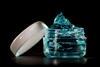 Class experiment
Investigating hydrogels in nappies and hair gel
Investigate hydrogels as polymeric smart materials in this series of activities using nappies and hair gel. Includes kit list and safety instructions.
-
 Class experiment
The reactivity of iron
Illustrate iron’s position in the reactivity series by heating it with copper and magnesium oxides in this practical. Includes kit list and safety instructions.
-
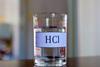 Class experiment
Exothermic metal–acid reactions
Use this class practical to explore the temperature changes resulting from adding different metals to hydrochloric acid. Includes kit list and safety instructions.
-
 Demonstration
Silver and lead halides
Try this practical or demonstration to produce silver and lead halides in a series of precipitation reactions. Includes kit list and safety instructions.