
Make peer feedback effective in your science classroom
How to turn students into thinking partners who give useful, actionable insight

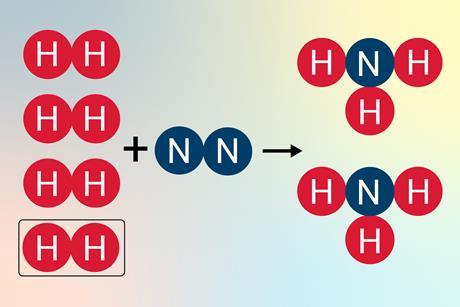
Use global conflict to teach the Haber process
How to link the Strait of Hormuz to ammonia production and sustainability in your lessons

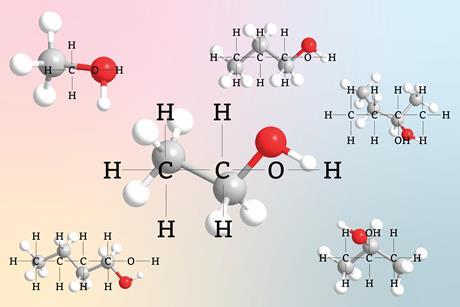
Build resilience and independence to master reaction mechanisms
Modelling, scaffolding and worked example problem pairs: a recipe for post-16 success in organic chemistry

Cultivating confidence with bond energy calculations
Use this checklist to help your students move away from misconceptions and calculate energy changes with confidence
Claim your free subscription
Get your free copy
Teach Chemistry members can sign up to receive their own free print copy of every issue of Education in Chemistry.
Register now


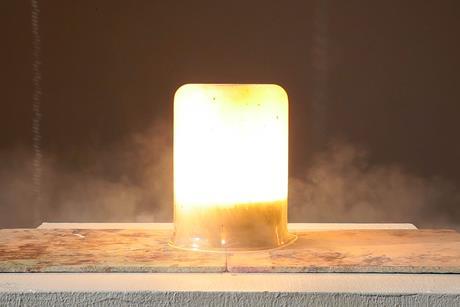
Microscale thermite
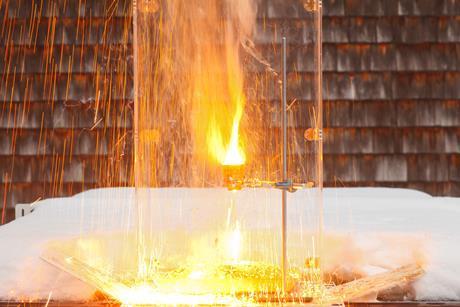
Thermite in a flowerpot
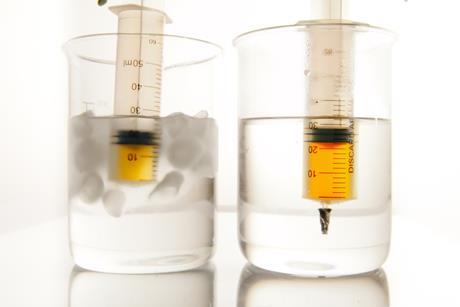
Explore the nitrogen oxides: unexpected equilibrium
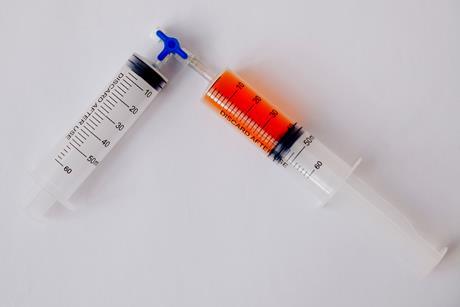
Explore the nitrogen oxides: Avogadro’s law revisited
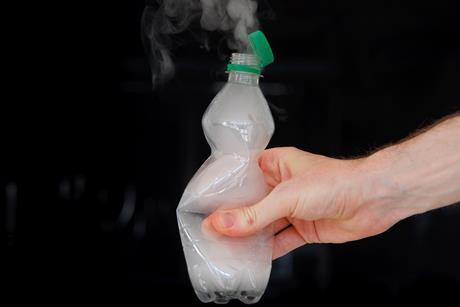
Forming a cloud in a bottle
- Previous
- Next
Make peer feedback effective in your science classroom
How to turn students into thinking partners who give useful, actionable insight

What GenAI can, and can’t, do for chemistry learning
Use AI to support your teaching but remain aware of limitations

Enhance learning with teacher-led explanations
Plan high-quality explanations ahead of time to develop your learners’ understanding of chemistry

Why teacher-led instruction must precede enquiry
Discover why you should rethink the order in which you teach and build students’ chemistry knowledge before letting them explore

How are our curriculums changing?
Change is happening across the UK and Ireland, and the RSC Education team are ensuring the science curriculums improve for everyone