









All articles by Kristy Turner
-
 Resource
Separating mixtures | Structure strip | 11–14 years
Use scaffolded prompts to support learners to write about separating mixtures with confidence
-
 Resource
Symbols and formulas | Structure strip | 11–14 years
Use scaffolded prompts to support learners to write about symbols and formulas with confidence
-
 Resource
Atoms and molecules | Structure strip | 11–14 years
Use scaffolded prompts to support learners to write about atoms and molecules with confidence
-
 Resource
Scaffolding titration calculations
Use the table method to support learners to answer calculation questions related to titration
-
 Resource
Properties of elements and compounds | Structure strip | 11–14 years
Develop writing skills and recall with these scaffolded prompts about the physical properties of elements and compounds
-
 Feature
Five reasons you should use structure strips
Explore the reasons for incorporating structure strips in the chemistry classroom, including to build students’ confidence and scaffold writing structure
-
 Ideas
Ideas5 ways to teach gas tests
Kristy Turner shares approaches to secure your 11–14 and 14–16 learners’ knowledge and build confidence
-
 Poster
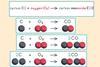
How to balance chemical equations
Simple steps to success, confidence and fluency with balancing equations for 14–16 learners
-
 Ideas
Ideas4 ways to teach organic compounds at 14–16
Use these teacher-tested ideas to compound learners’ knowledge of carbon atoms
-
 Ideas
IdeasCapture learners’ attention with video feedback
Record a video mark scheme for exams and watch your learners’ engagement with feedback soar
-
 Ideas
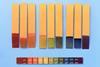
Ideas5 ways to teach neutralisation and pH
Teacher-tested approaches to build 11–14 students’ basic understanding of acids, alkalis and indicators
-
 Ideas
IdeasWays to teach atoms and ions
Use these six approaches to ensure learners master ion formation at 14–16
-
 Ideas
IdeasWays to teach formation of salts
Secure your learners’ understanding of this core topic with teacher-tested recall strategies and experiments
-
 Resource
Solutions | Structure strip | 11–14 years
Support learners to retrieve information and write about solutions
-
 Resource
States of matter | Structure strip | 11–14 years
Support learners to recall and write about the properties of solids, liquids and gases
-
 Resource
Diffusion | Structure strip | 11–14 years
Use scaffolded prompts to support learners to write about diffusion
-
 News
NewsExam board issues unprecedented statement about the inductive effect
What implications will this have for the curriculum and for teachers?
-
 Ideas
Ideas5 ways to teach excess and limiting reagents to 14–16 learners
Tips for helping learners get to grips with this tricky part of quantitative chemistry
-
 Resource
Changes of state | Structure strip | 11–14 years
Use scaffolded prompts to support learners to write about changes of state
-
 Ideas
IdeasWays to teach the mole at 14–16
Use these four ideas to effectively teach and contextualise this crucial chemistry unit