








All Problem solving articles – Page 4
-
 News
NewsTweak your questions to improve students’ problem-solving skills
How changing the format of practice questions can improve learners’ skills
-
 Ideas
IdeasEscape the classroom: and try microscale chemistry
Escape room puzzles based on simple microscale reactions for students
-
 Ideas
IdeasEmpower learners to own their success
Foster questioning and analytical thinking in the classroom
-
 Ideas
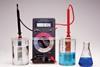
IdeasTeach electrochemical cells using number grids
Make explaining electrochemical cells and calculating potentials simple with number grids
-
 Ideas
IdeasShould we let students write on tables?
Use this handy technique to effectively engage disinterested learners
-
 Ideas
IdeasGrowing decision trees
Use this essential learning aid to help students solve complex chemistry problems
-
 CPD article
How to teach structure determination post-16
Students find this process puzzling. Help them solve it with these ideas and tips
-
 Ideas
IdeasHow to solve a murder
Combine chemical analysis and practical activities to crack a crime and engage younger students
-
 News
NewsSame molecule, different representations
Chemistry is full of varied representations. How do we help our students identify the information encoded within them?
-
 News
NewsTeaching tips for chemical kinetics
Students’ understanding is mostly assessed through numerical problems. Sometimes performance does not reflect understanding. Here’s why
-
 Ideas
IdeasWhen things go wrong in the classroom, a video can help
Practical demo gone wrong in the chemistry lab? Here’s how to save the day
-
 Resource
Sustainable consumption: individual action | 14–16 years
A research and reflect activity to get your learners thinking about the materials they consume and the impact of individual actions
-
 Job profile
Process chemist – higher apprentice, pharmaceuticals
Erin helps turn new medicines into finished products so that they can be mass-produced for patients.
-
 Ideas
IdeasEffective questioning in organic chemistry
How to use conversation to help stuck students solve their own problems
-
 Poster
Real-life contexts for thermodynamics
Use this infographic with your 16–18 students and get them working with thermochemistry, intermolecular forces and free energy
-
 Resource
The ‘broken’ practical approach
Take this approach to practical work to ensure students are learning, not just doing
-
 Ideas
IdeasPractise purposeful practicals
Identify the reason you’re teaching a particular experiment to ensure students learn not just how to do it, but the concept and technique too
-
 Job profile
Senior director of chip research
Jason talks about his team’s important work on a platform that allows scientists to sequence DNA wherever they are and uncover viral outbreaks, or identify new species.
-
 Ideas
IdeasThe fast guide to enquiry-based learning
Everything you’ve ever wanted to know about EBL and how to incorporate it into your chemistry lessons
-
 Feature
Make learning chemistry child’s play
Does play have a role in science learning for older children? This is how to bring more creativity to older students’ learning and why it’s important