









All Lesson planning articles – Page 4
-
 Resource
Carbon cycle lesson plan
Use this lesson plan to structure a lesson on the carbon cycle at 11–14
-
 Ideas
IdeasPractise purposeful practicals
Identify the reason you’re teaching a particular experiment to ensure students learn not just how to do it, but the concept and technique too
-
 Ideas
Ideas3 ideas to make the most of an hour for practical work
Time in the lab is valuable. Try these three tried-and-tested ways to squeeze the most out of every precious minute of your practical lessons
-
 Ideas
IdeasSut i wneud y defnydd gorau o fideos o dasgau ymarferol
Defnyddiwch y pedair strategaeth hyn i sicrhau dysgu llwyddiannus – o bell neu yn yr ysgol
-
 Ideas
IdeasHow to make the most of practical videos
Use these four strategies to ensure successful learning – whether remote learning or in school
-
 Poster
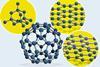
Allotropes of carbon
Use this infographic with your 14–16 classes to boost their knowledge of diamond, graphite, graphene and fullerenes
-
![Shutterstock 130330691 300tb[1]](https://d1ymz67w5raq8g.cloudfront.net/Pictures/100x67/6/3/0/113630_shutterstock_130330691_300tb1.jpg) Ideas
IdeasHow to teach reading in science
Worried your students struggle with chemistry texts? You're not alone. Here are two solutions
-
 Ideas
IdeasPut organic chemistry concepts in context
3 ways to teach 14–16 students how to apply their knowledge to new scenarios and prepare them for exams
-
 Ideas
IdeasStrategies to boost learning
You’ll be hooked on these approaches to improving the quality of student work
-
 Ideas
IdeasTeaching from two metres
Try these strategies and tools for socially distanced classroom teaching
-
 Q&A
Q&AClassroom questions: advice for new teachers
Experts answer questions about planning, pandemics and practicals from trainee, newly qualified and early career teachers
-
 Ideas
IdeasPracticals: why you should take them slow
How a step-by-step approach to experiments can improve learning
-
 CPD article
How to make effective use of pre-recorded lessons
Try this great approach for introducing new content and letting learners rewatch to their heart’s desire
-
 CPD article
Taking a week-by-week approach to remote teaching
Help students manage their workload with weekly assignments and feedback
-
 CPD article
Using investigations to engage your 11–14 students
Try this proven approach to remote teaching with your science classes
-
 Ideas
IdeasHow to use hinge point questions effectively
They can help both you and your students learn – but what are hinge questions, and when should you ask them?
-
 Ideas
IdeasTrainee teachers: how to learn to teach during lockdown
5 tips for continuing your ITT during the coronavirus crisis
-
 Ideas
IdeasHow to find good teaching resources
Get the high-quality teaching resources you need, both online and off
-
 CPD article
The extraction of metals
Embed the understanding of reduction and oxidation with your students
-