









All RSC Education articles in November 2010
-

-

-
 Review
An alternative to Webelements and a useful reference site
Web Watch: Tony Tooth looks at some websites that may be of interest to chemistry teachers
-

-
 Feature
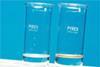
Two-step bromine attack
An experiment for the classroom to show that bromine adds to an alkene by two-step electrophilic addition
-

-
-

-

-
 News
NewsNanotechnology saves bridges
Inexpensive nanosensors might one day be incorporated into buildings, bridges, and other structures
-
 News
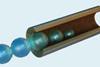
NewsBubble engines
A tiny little machine, a couple of dozen micrometres long, can be propelled by a jet of oxygen bubbles and controlled by a magnet
-
 Exhibition chemistry
Exploding soap bubbles
Soap bubbles containing a mixture of oxygen and methane can be used to produce spectacular explosions and impressive shock-waves that will always please
-
 Review
Uncovering Chemical Secrets: e-learning support for A level Chemistry
Penny Bagshaw reviews this e-learning organic chemistry resource
-

-

-
 Feature
The curious story of toxic ice
In 1944 a fake article was submitted and published as a scientific paper. In the context of How Science Works, can a hoax have educational value?
-
 News
NewsFungal degradaton
Soil fungi and a strain of fungus that causes white rot could be useful agents in the biodegradation of bisphenol A based plastics
-
 Maths
MathsDescriptive statistics
Tips for teaching maths skills to our future chemists, by Paul Yates of Keele University
-
-
 Feature
Electronic voting systems in undergraduate teaching
Reminiscent of Who Wants to be a Millionaire voting systems, university lecturers can use electronic voting systems to monitor students' understanding and make learning more interactive for the students and the teacher