






All Acids and bases articles
-
 Demonstration
The properties of hydrogen chloride
Use this demonstration and practical to investigate properties of hydrogen chloride, such as its solubility in water.
-
 Class experiment
Titrating sodium hydroxide with hydrochloric acid
Use this class practical to explore titration, producing the salt sodium chloride with sodium hydroxide and hydrochloric acid. Includes kit list and safety instructions
-
 Resource
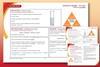
Determining unknown concentration | Johnstone’s triangle worksheets | 14–16 years
Guide learners to connect their thinking about calculating unknown concentrations following a titration
-
 Resource
Concentration of acids | Johnstone’s triangle worksheets | 14–16 years
Learners connect their understanding of dissolved ions, concentration and how chemicals are labelled with this single-page worksheet
-
 Class experiment
Titradiad asid–bas ar raddfa ficro
Defnyddio titradu ar raddfa ficro i gwblhau niwtraliad asid–bas gyda sodiwm hydrocsid yn y sesiwn ymarferol hon yn y dosbarth. Mae’n cynnwys rhestr o’r cyfarpar a chyfarwyddiadau diogelwch.
-
 Class experiment
A microscale acid–base titration
Use microscale titration to complete an acid–base neutralisation with sodium hydroxide in this class practical. Includes kit list and safety instructions.
-
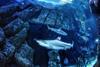 News
NewsOcean acidification could cause shark tooth corrosion
Scientists investigate the impact of carbon dioxide levels on blacktip reef shark teeth
-
 Article
What’s the strongest base in the world?
Take a closer look at alkalis and superbases and explore how we use them
-
 Ideas
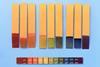
Ideas5 ways to teach neutralisation and pH
Teacher-tested approaches to build 11–14 students’ basic understanding of acids, alkalis and indicators
-
 Resource
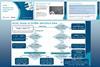
Decision tree: acid, base or buffer? | 16–18 years
Help learners understand which equation they need to answer questions about acids, bases and buffers by scaffolding their thinking
-
 Ideas
IdeasWays to teach formation of salts
Secure your learners’ understanding of this core topic with teacher-tested recall strategies and experiments
-
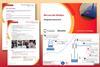 Class experiment
Microscale titration | 11–16 years
Use this simple microscale titration experiment with integrated instructions to introduce your learners to titrations
-
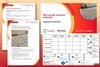 Class experiment
Universal indicator microscale | 11–16 years
Introduce learners aged 11–16 to the concept of pH and address common misconceptions regarding the use of indicators
-
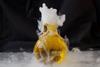 Exhibition chemistry
Demonstrations with dry ice
Explore changes of state and neutralisation reactions with this trio of demonstrations using solid carbon dioxide
-
 Feature
How science can make burial, cremation and memorial greener
Does alkaline hydrolysis offer a more sustainable approach?
-
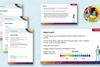 Resource
Investigating the sugar content and pH of fizzy drinks | 11–14 years
Compare fizzy drinks’ ingredients, acidities and health implications
-
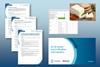 Class experiment
Acid–base back titration | 16–18 years
Write balanced equations and calculate reacting masses and moles to find the limiting reagent
-
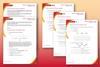 Resource
Acids and bases | Review my learning | 14–16 years
A set of differentiated worksheets with answers to identify learning gaps and misconceptions on the topic of acids and bases.
-
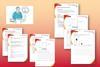 Resource
Practical planning: spot the mistakes | 14–16 years
Use these exam-style questions to check your learners’ understanding of experimental skills and strategies
-
 Ideas
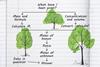
IdeasHelp students apply the right concepts in chemistry
How your students can use decision trees to improve exam success