






All Biology articles – Page 9
-
 The Mole
Coprolites
Information hidden in fossils – Philip Robinson finds out what dinosaurs ate for dinner
-
 Resource
On This Day - Oct 26 : Arthur Kornberg died
He shared the 1959 Nobel Prize in Physiology or Medicine for discovering the mechanism of how deoxyribonucleic acid (DNA) replicates in biological systems, and many of the enzymes and building blocks required along the pathway. These findings were fundamental to our understanding of genetics.
-
 Resource
On This Day – Sep 14 : Ferid Murad was born
He shared the 1998 Nobel Prize in Physiology or Medicine with Robert F. Furchgott and Louis J. Ignarro for their discoveries involving nitric oxide as a signal molecule for the cardiovascular system. Nitric oxide is a potent vasodilator that causes relaxation of smooth muscle cells.
-
 The Mole
Sniffing out an explanation
It’s strange to think that no one knows exactly how smell works. Josh Howgego explains the chemistry behind the puzzle
-
 Resource
On This Day - Oct 12 : Iron lung respirator
An iron lung is a cylindrical container, encasing a person’s entire body apart from the head. It regulates air pressure to help a person breathe, and was first used to save the life of a young girl with polio.
-
 Resource
On This Day - Oct 15 : First contraceptive pill
The pill was a steroid hormone, norethindrone, developed by Carl Djerassi and co-workers at Syntex in Mexico City. Around 100 million women worldwide now take contraceptive pills, which are approximately 99% effective against pregnancy.
-
 Resource
On This Day – Jul 19 : Pelletier died
He was one of the pioneers of the study of plant alkaloid chemistry. Alkaloids are organic compounds that induce various effects in medicine, including painkillers and respiratory stimulants. Pelletier and his colleagues first isolated the pigment chlorophyll in 1817.
-
 Resource
On This Day - Apr 21: Paul Karrer was born
Karrer was awarded half the Nobel Prize in Chemistry in 1937 for his research into plant pigments, namely yellow carotenoids, flavins, and vitamins A, B2 and E.
-
 Resource
On This Day - Apr 24 : Roger Kornberg was born
He was awarded the Nobel Prize in Chemistry in 2006 for his “studies of the molecular basis of eukaryotic transcription” – the process where genetic information is copied from DNA to RNA.
-
 Resource
On This Day – Aug 25 : Hans Adolf Krebs was born
He won the 1953 Nobel Prize in Physiology or Medicine for discovering a series of chemical reactions known as the Krebs cycle. This forms part of the process of respiration in living organisms through which energy is generated from food and oxygen (O).
-
 Resource
On This Day - Dec 27 : Louis Pasteur was born
He discovered the role of bacteria in fermentation, proved the germ theory of disease and invented the process of pasteurisation. Pasteur is considered the founder of microbiology.
-
 Resource
On This Day - Jan 08 : Melvin Calvin died
He was awarded the 1961 Nobel Prize in Chemistry for his discovery of the Calvin cycle. The Calvin cycle is a series of reactions that describe carbon (C) fixing in plants. Related resources: Photosynthesis Carbon - Element information
-
 Feature
Rise of molecular machines
Chemists are putting molecules to work in ways only limited by our imagination
-
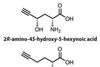 Soundbite
Toxic amino acids
Simon Cotton takes a look at those compounds that find themselves in the news or relate to our everyday lives.
-
 The Mole
Nicola Gray: Assistant analyst
Nicola is a PhD student from the Drug Control Centre at King’s College London. She will play an important role during the London 2012 Olympic and Paralympic Games this year
-
-
 Feature
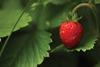
What's in your strawberries?
Why are strawberries so irresistible? Do the strawberries you pick in the wild really taste nicer than shop-bought ones?
-
 The Mole
Shining light on artificial photosynthesis
Mimicking plant life could be our way out of the energy crisis. Anna Lewcock talks to Tony Harriman to find out more
-
 Feature
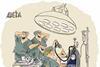
Nitrous oxide: are you having a laugh?
Since its discovery, laughing gas has played its part in our dental surgeries, operating theatres and - more controversially - at our parties
-
 Soundbite
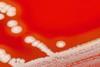
Vancomycin
Simon Cotton takes a look at those compounds that find themselves in the news or relate to our everyday lives.