







All Biology articles – Page 10
-
 Feature
Ruthenium compounds as anticancer agents
New ruthenium-based compounds with fewer and less severe side effects, could replace longstanding platinum-based anticancer drugs
-
 Feature
Molybdenum and evolution
Recent discoveries indicate that our atmosphere was not always oxygen rich - molybdenum could have been the limiting factor in the evolution of life on earth
-
 Feature
Really cheesy chemistry
Stilton, camembert, limburger and cheddar - why, and how, does cheese come in such a variety of smells and tastes?
-
 Feature
Iron ocean seeding
Carbon sequestration - the removal of carbon dioxide from the atmosphere - is an active area of research
-
 Feature
Five rings good, four rings bad
Fifty years ago steroid abuse among sportsmen and women was a serious problem. Today, thanks to the skills of analytical chemists, the sporting cheats rarely win
-

-
 Feature
Ocean Acidification
Recent evidence suggests that ocean removal of carbon dioxide from the atmosphere is having serious consequences for marine life
-
 Feature
Catalysts for a green industry
Chemists are working to develop new, longer-lasting catalysts to ensure industrial processes are cleaner, greener and more efficient
-
 Feature
If it smells - it's chemistry
Smell is the most chemical of all the senses - but what's the theory behind the practice?
-
 Feature
Investigations get real
What real chemists do can be the basis of motivating investigations and learning in school chemistry
-
 Feature
Microbial iron scavengers
Medicinal and analytical chemists take their cue from micro-organisms' ability to bind to iron in the design of new drugs and sensors
-
 Lesson plan
How do scientists grow protein crystals? | 14-16 years
Discover the methods and conditions used by chemical scientists to grow protein crystals in this lesson plan with activities for 14–16 year olds.
-
 The Mole
Soap: can you make it with body fat and is there an explosive spin-off?
On screen chemistry with Jonathan Hare
-
 Feature
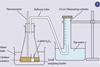
Investigating activation energies
A challenge for post-16 students to investigate the activation energies of the enzyme-catalysed and the inorganic-catalysed decomposition of hydrogen peroxide
-
 Feature
Artemisinin and a new generation of antimalarial drugs
Every year between one and two million people - mainly children - living in the tropics and subtropics die of malaria.
-
 Feature
Spicing up Chemistry
Spices have been used in cooking since Roman times, and were believed to be important as antiparasitic agents and as gastrointestinal protectants in the diet
-
 Feature
Chemistry, medicine and genetic analysis
In the near future, doctors will be able to carry out a 'while you wait' test, using genetic analysis, for chlamydia, the silent disease that can lead to infertility in women.
-
 Feature
Percivall Pott, chimney sweeps and cancer
Over 200 years ago, doctor and writer Percivall Pott made the astute connection between soot and scrotal cancer, known then as the chimney sweep's cancer.