








All Electrochemistry articles
-
 News
NewsWas a 2000 year-old jar the world’s first battery?
Amp up your lessons on metals and electrolytes with this downloadable story and slide
-
 Class experiment
Electrolysis of brine
Use this colourful practical to introduce learners to the electrolysis of brine, or sodium chloride solution. Includes kit list and safety instructions.
-
 Class experiment
Electrolysis heli
Defnyddiwch y gwaith ymarferol lliwgar hwn i gyflwyno’r dysgwyr i electrolysis heli, neu hydoddiant sodiwm clorid. Mae’n cynnwys rhestr o’r cyfarpar a chyfarwyddiadau diogelwch.
-
-
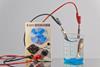 Exhibition chemistry
Demonstrate electrochemistry with a gravity cell
Video, kit list and teaching tips to set up a one-beaker copper–zinc voltaic cell to explore redox reactions
-
 Feature
The 6 best practicals for teaching electrochemistry from 11–18
Use a sequential approach to reinforce learning and maximise student success
-
 Class experiment
Electrolysis on a microscale | 14–16 years
Use this microscale version of the electrolysis of copper(II) chloride to safely explore a key practical experiment
-
 Class experiment
Electrolysis ar raddfa micro | 14-16 oed
Defnyddiwch y fersiwn hon ar raddfa micro o electrolysis copr(II) clorid i archwilio arbrawf ymarferol allweddol yn ddiogel
-
 Opinion
Spiral your curriculum for electrochemistry success
Discover why electrochemistry doesn’t have to be a challenging topic
-
 News
NewsElectrolysis gets a boost from metal scraps
Waste metals transformed into catalysts for clean fuel production
-
 CPD article
How to teach extraction of metals at 14–16
Solidify learners’ understanding of extraction processes with these tips, misconception busters and teaching ideas
-
 News
NewsOvercoming electrochemistry misconceptions
Use evidence-based research and teacher-tested tips to help your students master this challenging topic
-
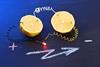 CPD article
How to teach electrochemistry at post-16
Use these tips to help your students calculate redox reactions and create electrochemical cells
-
 Resource
Electrochemical cells misconception buster | 16–18 years
Probe learners’ knowledge of setting up electrochemical cells, redox equations and calculations
-
 News
NewsCreating green energy from seawater
Scientists combine desalination and electrolysis to produce clean hydrogen fuel
-
 Resource
Lithium-ion cells worksheet | 16–18 years
Review your learners’ understanding of electrochemistry and its applications
-
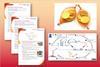 Class experiment
‘Gold’ coins on a microscale | 14–16 years
Practical experiment where learners produce ‘gold’ coins by electroplating a copper coin with zinc, includes follow-up worksheet
-

-
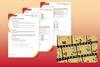 Resource
Electrolysis diagrams | 14–16 years
Worksheet to help address a common area for misconceptions in electrolysis, identifying the cathode and anode. Includes multiple-choice questions, diagrams to label and a variety of examples
-
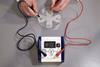 Ideas
IdeasTake a microscale approach to electrochemical cells
How you can use Petri dish galvanic cells to support learning about electricity