








All Elements and the periodic table articles
-
 Resource
Elements, compounds and mixtures | Key terms support | 14–16
Key terms list, accessible glossary, Frayer models and unscrambling definitions provide comprehensive language support for this topic
-
 Resource
Elements, compounds and mixtures | Key terms support | 11–14
Language support pack for elements, compounds and mixtures, with key terms list, accessible glossary, Frayer models and unscrambling definitions
-
 News
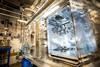
NewsScientists create liquid carbon on Earth for the first time
Researchers reveal breakthrough information about carbon’s most mysterious form using an ultra-powerful laser
-
 Lesson plan
Writing formulas for ionic compounds | 14–16 years
Practise writing formulas for ionic compounds and revise common positive and negative ions, using this lesson plan with activities
-
 Poster
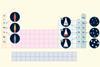
Looking at groups 1, 7 and 0 on the periodic table
Turn 14–16 learners onto the key trends they need to understand for exam success with this poster, fact sheet and classroom activity
-
 Article
Will we run out of elements?
From helium to lithium and more, chemists are developing circular economies to preserve precious elements
-
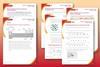 Resource
Representing elements and compounds | Review my learning worksheets | 14–16 years
Identify learning gaps and misconceptions with this set of worksheets offering three levels of support
-
 CPD article
Everything you need to teach atomic structure and periodicity at post-16
Top tips and teaching ideas to help your students get to grips with the periodic table and its trends
-
 Ideas
IdeasBoost younger students’ grasp of atomic structure
How to go beyond the simplistic when teaching this topic at 11–14, to help students achieve success at 14–16
-
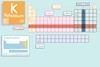 Poster
How to read the periodic table
Make sure your students know how to find elements, groups and periods
-
 Ideas
Ideas5 ways to teach elements, compounds and mixtures at 11–14
Use these teacher-tested ideas to ensure your students don’t get mixed up about chemical substances
-
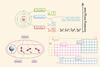 Poster
How to teach electron configurations
Everything you need to help your post-16 students understand orbitals and shells
-
 Resource
Atoms, molecules and compounds quiz | 11–14 years
Use this quiz to check understanding of atoms, molecules, elements and compounds
-
 Ideas
IdeasModelling trends in periodicity
How to use models to help your students get on top of periodic trends
-
 Feature
Play card games to teach electronic configuration and ionic compound formation
How a game-based approach can improve your students’ understanding and recognition – and reduce assessment anxiety
-

-
 Feature
Demystifying scientific symbolic language
Teach your students how to understand and use chemical symbols in their learning
-
 Opinion
Should we rethink when we teach groups 1, 7 and 0?
Embedding fundamental chemistry skills effectively may require some resequencing
-
 Resource
The chemistry of a meteorite | 11–14 years
Data analysis and graph drawing activity for 11–14 year olds based on the chemical composition of the Dhofar 007 meteorite. Identify elements from chemical formula and differentiate between metal and non-metal elements.
-
 Feature
Meteorite chemistry
What is a meteorite made of? Studying the composition of meteors allows scientists to look back billions of years to before the birth of the solar system