









All Reactions and synthesis articles
-
 Resource
The reaction between zinc powder and sulfur
A spectacular practical demonstration to show the differences between elements, mixtures and compounds
-
 Resource
C, O and Co | Johnstone’s triangle | 11–14 years
Develop your learners’ understanding of symbols and formulas at different conceptual levels by comparing the symbolic representations of carbon monoxide and cobalt
-
 Ideas
Ideas5 ways to teach gas tests
Kristy Turner shares approaches to secure your 11–14 and 14–16 learners’ knowledge and build confidence
-
 Resource
Word equations | Developing understanding | 11–14 years
Use this worksheet to improve your learners’ understanding of writing and interpreting word equations
-
 Resource
Yield | Developing understanding | 14–16 years
Part of the Johnstone’s triangle series, this resource includes teacher notes and a student worksheet to help learners understand the difference between actual and theoretical yield
-
 Resource
Sodium and chlorine reaction | Johnstone’s triangle | 11–14 years
Strengthen learners’ understanding of the connection between word equations and chemical reactions
-
 Class experiment
Finding the formula of copper(II) oxide
Use this demonstration with your 14–16 learners to deduce the formula of copper(II) oxide by reducing it with methane
-
 Resource
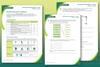
Reactant and product substances | Developing understanding | 11–14
Use these worksheets to secure and deepen your learners’ understanding of reactants and products in chemical changes
-
 Resource
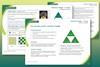
Iron and sulfur reaction | Johnstone’s triangle | 11–14 years
Develop understanding of reactants and products at different conceptual levels using an iron and sulfur reaction as an example
-
 Class experiment
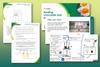
Heating chocolate and egg
Introduce learners to physical and chemical changes and the safe use of Bunsen burners with this simple practical experiment
-
 Class experiment
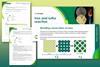
Iron and sulfur reaction
Illustrate elements, mixtures and compounds with this demonstration and class practical exploring the exothermic reaction of iron and sulfur
-
 Class experiment
Heating copper in air
Explore the reaction of copper with oxygen to produce copper oxide by heating a copper envelope in this practical
-
 Ideas
IdeasHow to build an equilibrium simulation
Deepen your post-16 learners’ understanding of reversible chemical reactions while improving their IT skills
-
 News
NewsSeawater system slashes methane emissions
Breakthrough reactor system aims to reduce methane emissions from waste
-
 Job profile
Peptide chemistry apprentice
Christina uses chemistry to make medicines work better and help more people
-
 CPD article
Teaching conservation of mass at 14–16
Help learners master the concept of conservation of mass with these hands-on teaching ideas
-
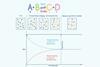 Poster
Help learners master equilibrium and reversible reactions
Use this poster, fact sheet and storyboard activity to ensure your 14–16 students understand dynamic equilibrium
-
 Exhibition chemistry
Non-burning paper: investigate the fire triangle and conditions for combustion
Use this reworking of the classic non-burning £5 note demonstration to explore combustion with learners aged 11–16 years
-
 CPD article
Everything you need to introduce alkenes
Help your 14–16 learners to master the fundamentals of the reactions of alkenes with these ideas and activities
-
 CPD article
How to teach extraction of metals at 14–16
Solidify learners’ understanding of extraction processes with these tips, misconception busters and teaching ideas