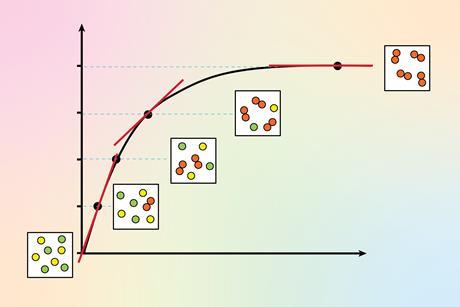
How to teach graph skills in science lessons
Translate graph skills into a science context with these teacher-tested tips
How to teach graph skills in science lessons
Translate graph skills into a science context with these teacher-tested tips

How to teach forces when you’re a chemistry teacher
Tips to cut out common misconceptions, strengthen learner understanding and confidently teach this fundamental physics topic

Use your chemistry strengths to teach biology brilliantly
Advice from a biology teacher for teaching out of your specialism effectively
Claim your free subscription
Get your free copy
Teach Chemistry members can sign up to receive their own free print copy of every issue of Education in Chemistry.
Register now




Microscale thermite
Thermite in a flowerpot
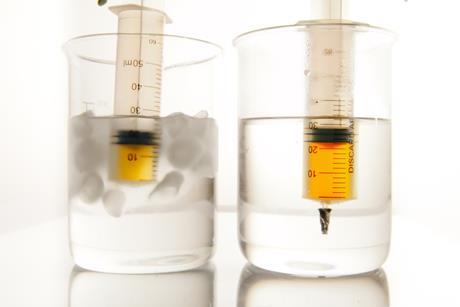
Explore the nitrogen oxides: unexpected equilibrium
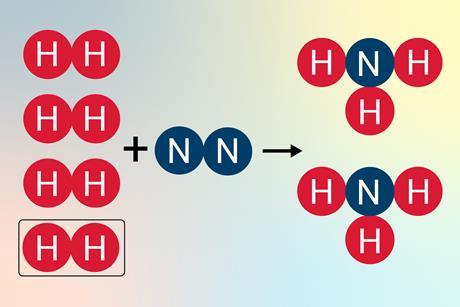
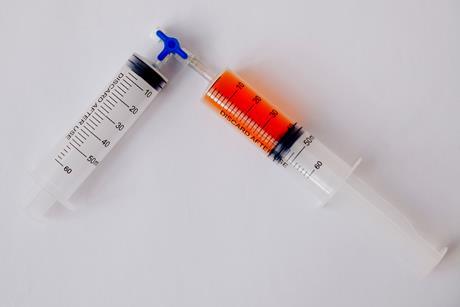
Explore the nitrogen oxides: Avogadro’s law revisited
- Previous
- Next

Four ways teachers use AI to plan lessons
Learn how experienced teachers use generative AI tools to refine ideas, challenge assumptions and strengthen their lessons

Make peer feedback effective in your science classroom
How to turn students into thinking partners who give useful, actionable insight

What GenAI can, and can’t, do for chemistry learning
Use AI to support your teaching but remain aware of limitations

Have your say on the chemistry curriculum
The Education Voice and Influence team have been busy reinvigorating GCSE chemistry for England. Now it’s your turn

Why teacher-led instruction must precede enquiry
Discover why you should rethink the order in which you teach and build students’ chemistry knowledge before letting them explore

How are our curriculums changing?
Change is happening across the UK and Ireland, and the RSC Education team are ensuring the science curriculums improve for everyone