A reduction in the science curriculum is welcome
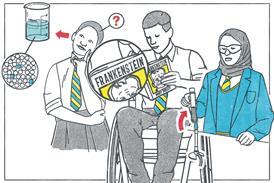
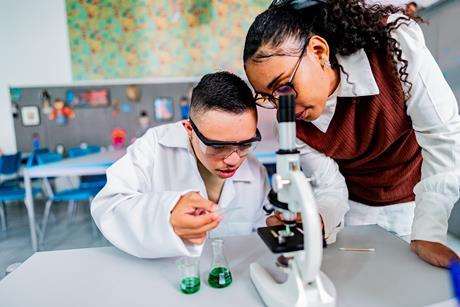
Head of science Jo McMullen explains how the curriculum and assessment review findings could impact teachers and students in SEND settings

How to scaffold science for SEND learners
Use these tips to build useful scaffolding techniques for sequencing questions, graph drawing skills, recall and reasoning that make science more accessible

How to get the most out of flashcards
Revamp this traditional revision technique to prompt deeper scientific thinking and understanding for your learners

How to manage the transition from pre- to post-16 chemistry
Six strategies for bridging the transition for learners to post-16 chemistry
Claim your free subscription
Get your free copy
Teach Chemistry members can sign up to receive their own free print copy of every issue of Education in Chemistry.
Register now


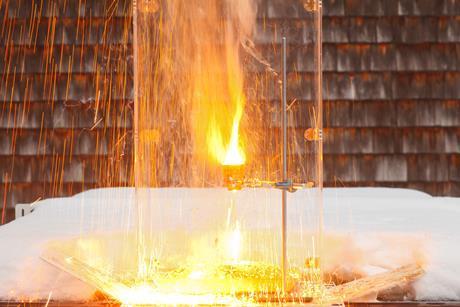
Thermite in a flowerpot
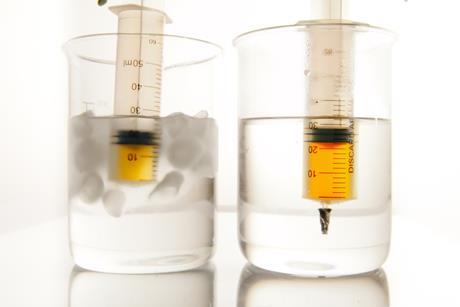
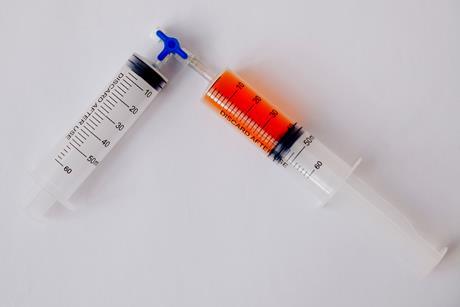
Explore the nitrogen oxides: unexpected equilibrium
Explore the nitrogen oxides: Avogadro’s law revisited
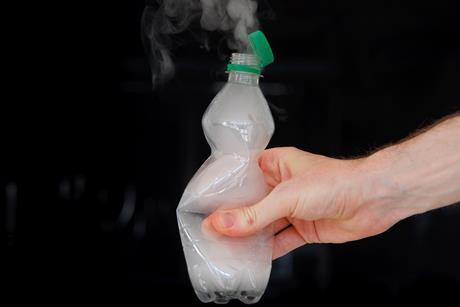
Forming a cloud in a bottle
Boiling without heating
- Previous
- Next

Enhance learning with teacher-led explanations
Plan high-quality explanations ahead of time to develop your learners’ understanding of chemistry

Master organic mechanisms with an arrows-first approach
Use an arrows-first approach to mechanistic organic chemistry to deepen your post-16 learners’ understanding and improve their assessment outcomes
Integrating scaffolding and metacognition into titrations
Can a flipped-practical approach encourage thinking and self-reflection?
A reduction in the science curriculum is welcome
Head of science Jo McMullen explains how the curriculum and assessment review findings could impact teachers and students in SEND settings

Oracy is at the heart of chemistry teaching
The Curriculum and assessment review in England focuses on oracy, bringing its policy in line with what’s already happening in science classrooms, say teachers

Tough choices ahead for science education after the curriculum review
Education policy programme manager Laura Daly says more is needed to make science pathways accessible and future‑proof