









All Feature articles – Page 28
-
 Feature
George III, indigo and the blue ring test
Can a urine test offer insight into George III's insanity?
-
 Feature
Experimental nanoscience for undergraduates
The recent development of low cost, user-friendly scanning tunnelling microscopes has brought nanoscience experiments into undergraduate laboratories
-
 Feature
Good lab practice
Students who want to work as analytical chemists in industry need to be introduced to the basic regulatory requirements of 'good laboratory practice'
-
 Feature
CF3SF5 - a 'super' greenhouse gas
Trifluoromethyl sulfur pentafluoride - a byproduct of the electronics industry - has been named a 'super' greenhouse gas by physical chemists
-
 Feature
Biosensors based on DNA
Chemists are developing new medical and environmental sensors based on DNA sequences which have been selected to bind certain targets such as cancer markers in blood
-
 Feature
Belladonna, broomsticks and brain chemistry
Poisonous plants such as deadly nightshade produce toxic tropane alkaloids. These chemicals have been exploited in magic, murder and the design of a host of useful therapeutic drugs
-
 Feature
Halogenating enzymes in organic synthesis
The use of haloperoxidases, from seaweed, in organic syntheses is simple and cost-effective and offers more environmentally-friendly routes to a host of compounds
-
 Feature
I can see clearly now...
Thanks to advances in polymer chemistry contact lenses are now more comfortable and fashionable
-
 Feature
Early pain-free days
Towards the latter part of 19th century cocaine provided the lead for chemists to develop effective local anaesthetics for dental surgery
-
 Feature
Fuelling the future: solid phase hydrogen storage
The portable and safe storage of hydrogen will be fundamental to the success of fuel cell-powered cars
-
 Feature
Polymers on the move
Fuel prices and the impact transport has on the environment are leading car and aircraft manufacturers to use more lightweight plastics and composites in their products
-
 Feature
Build your own spectrophotometer
By designing and building their own visible-light spectrophotometers, students get to grips with the underlying principles of this widely used analytical tool
-
 Feature
Harnessing solar energy with Grätzel cells
Chemists from the Universities of Loughborough and Bristol have teamed up to take a research-based project into local schools
-
 Feature
Cocaine - a short trip in time
In the latter half of the 19th century chemists started to investigate the properties of cocaine. Elucidation of its molecular structure followed some 30 years later
-
 Feature
Nanotechnology update
The past 10 years have witnessed myriad R&D programmes in nanotechnology around the world
-
 Feature
Understanding our changing atmosphere
Research by chemists into the chemical processes occurring in the troposphere could help to predict the likely impacts of climate change upon atmospheric conditions
-
 Feature
Experimenting with biodiesel
The synthesis of biodiesel is exploited to teach general chemistry principles and as a way of fostering a 'green conscience' within undergraduate chemistry students
-
 Feature
Historical highlights in organoarsenic chemistry
Organoarsenic compounds have given insight into important theoretical topics in chemistry and proved to have beneficial pharmacological effects
-
 Feature
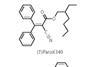
Investigating commercial sunscreens
Commercial sunscreens provide the basis of an industry-linked investigation suitable for students at various levels
-
 Feature
Pesticides - keeping one step ahead
Organic chemists have developed myriad agents to kill pests